
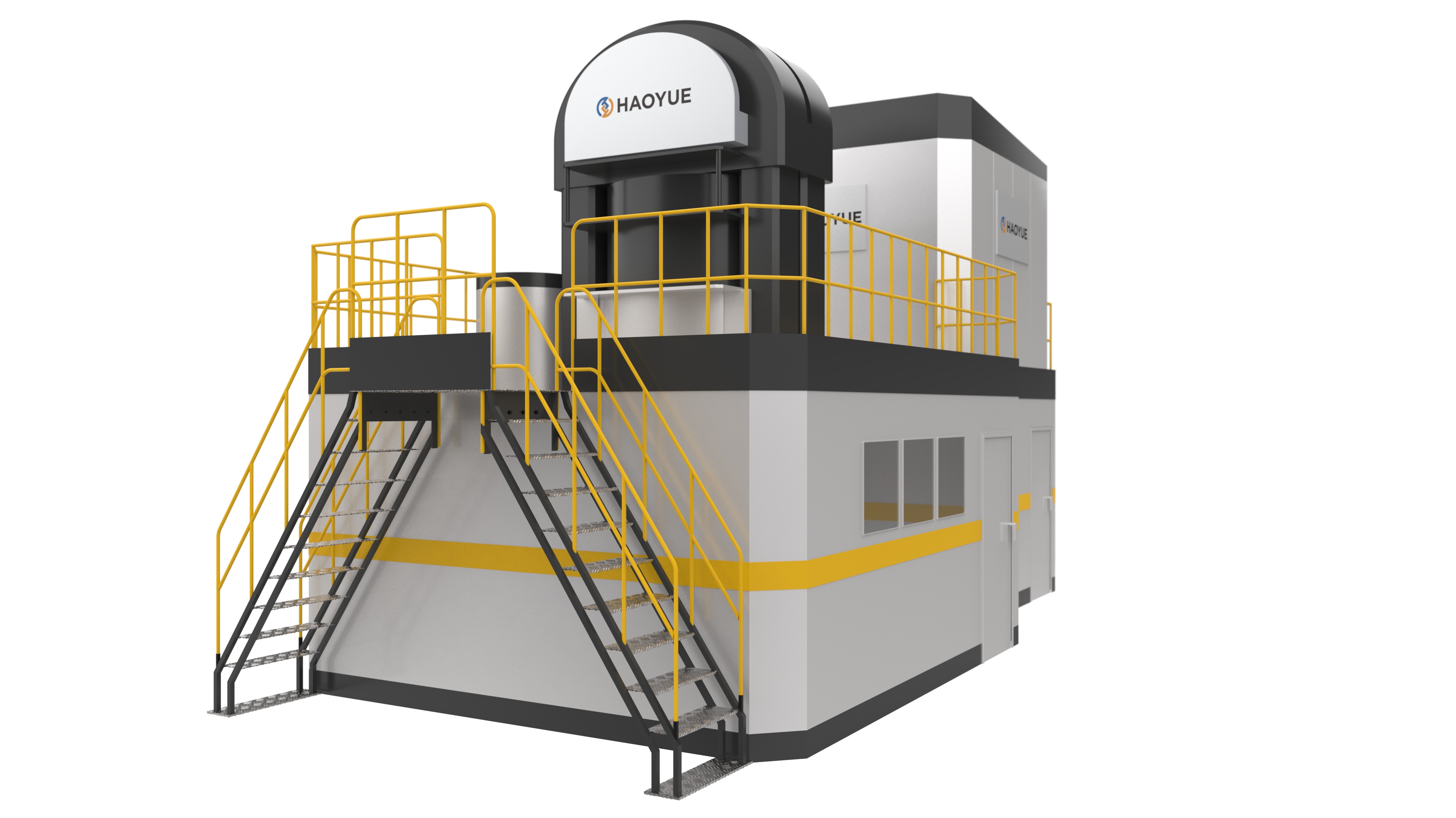
HOT ISOSTATIC PRESSING
Pressure, Temperature, and AtmosphereEngineered for Critical Materials
High-pressure processing platforms for aerospace, additive manufacturing, medical implants, energy, and other demanding applications. Controlled pressure-temperature cycles close internal pores and deliver repeatable densification.
- Pressure
- 200 MPa
- Temperature
- 2000°C
- Atmosphere
- Ar / N2
- Acceptance
- FAT / SAT
Core Platform
High-pressure processing platforms from densification to integrated heat treatment
HIP, CIP, and WIP form a complementary isostatic-processing portfolio for powder metallurgy, additive manufacturing, and critical-component densification.
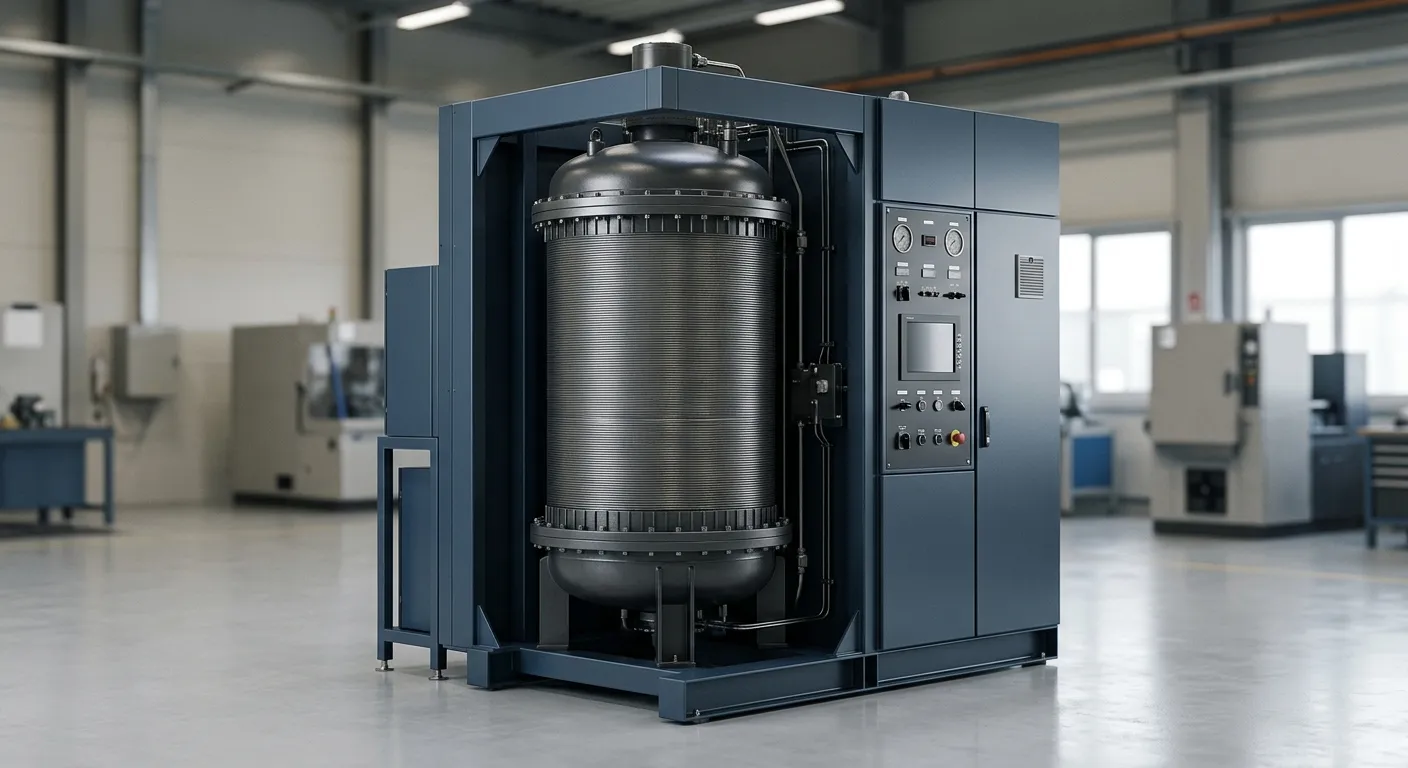
HIP Hot Isostatic Pressing System
Pore closure and densification for castings, powder-metallurgy components, and metal additive-manufacturing parts.
- Maximum 200 MPa
- Maximum 2000°C
- Expandable hot zone size
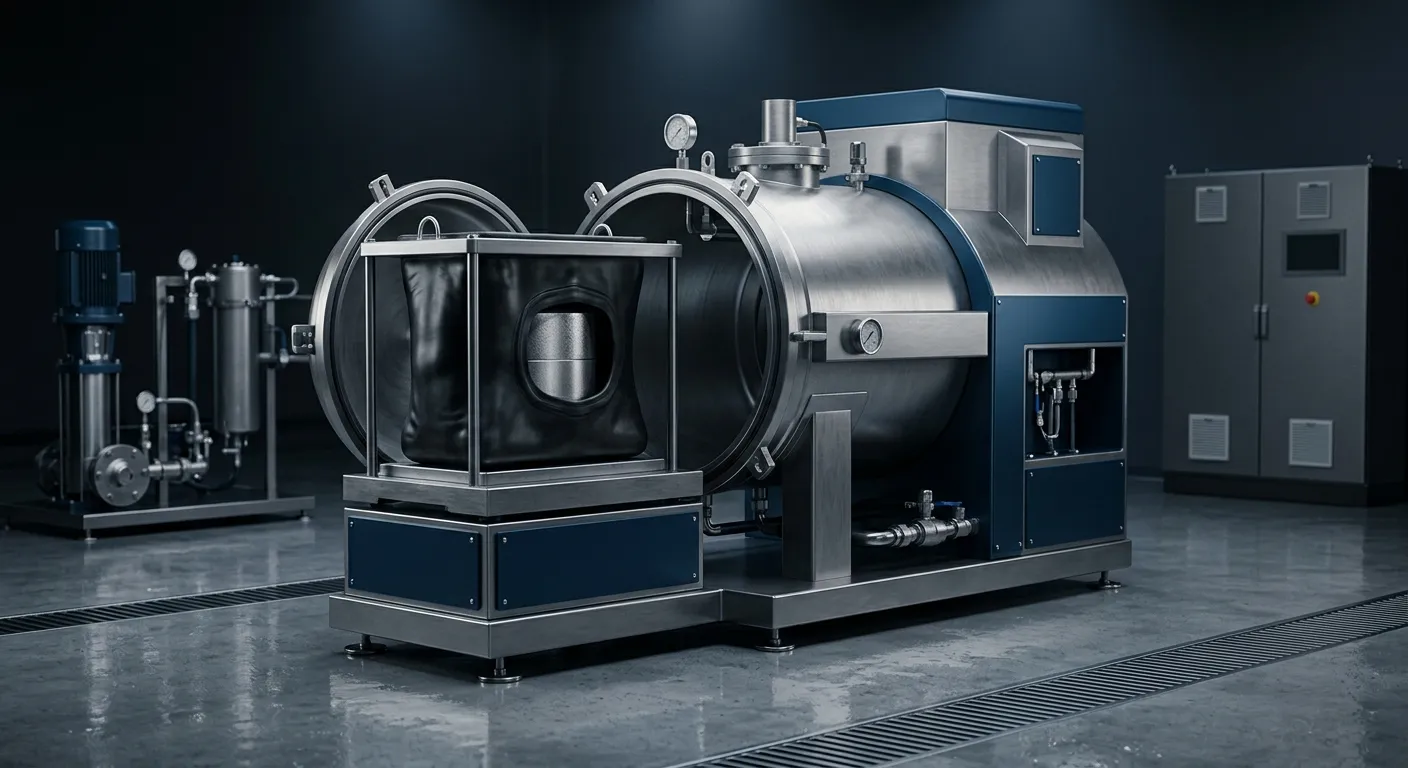
CIP Cold Isostatic Pressing System
Room-temperature isostatic pressing for powder forming and ceramic or cemented-carbide green bodies.
- Wet bag/dry bag solution
- Uniform pressing
- Powder preforming
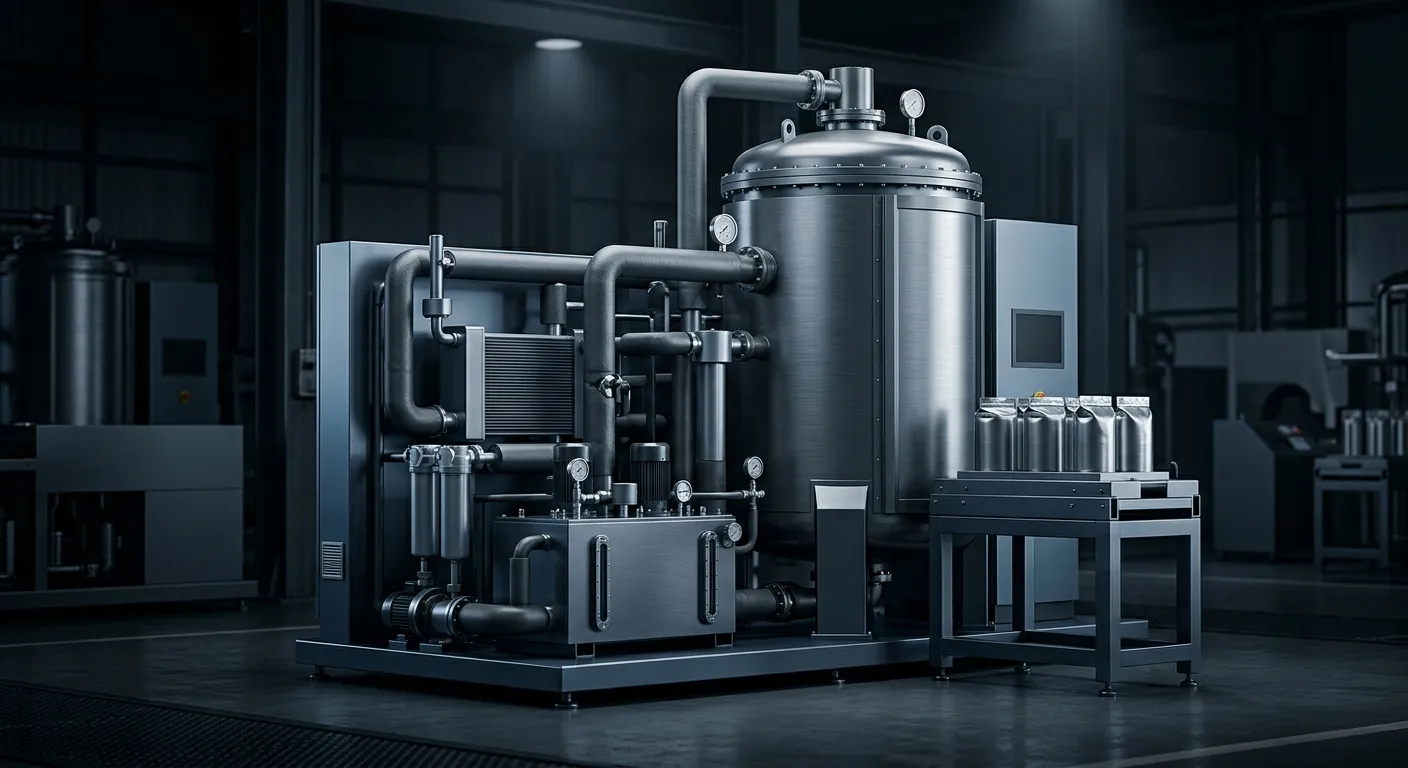
WIP Warm Isostatic Pressing System
Temperature-controlled isostatic pressing for battery materials, ceramics, and composite laminates.
- Temperature-controlled pressure media
- Material lamination
- Battery R&D
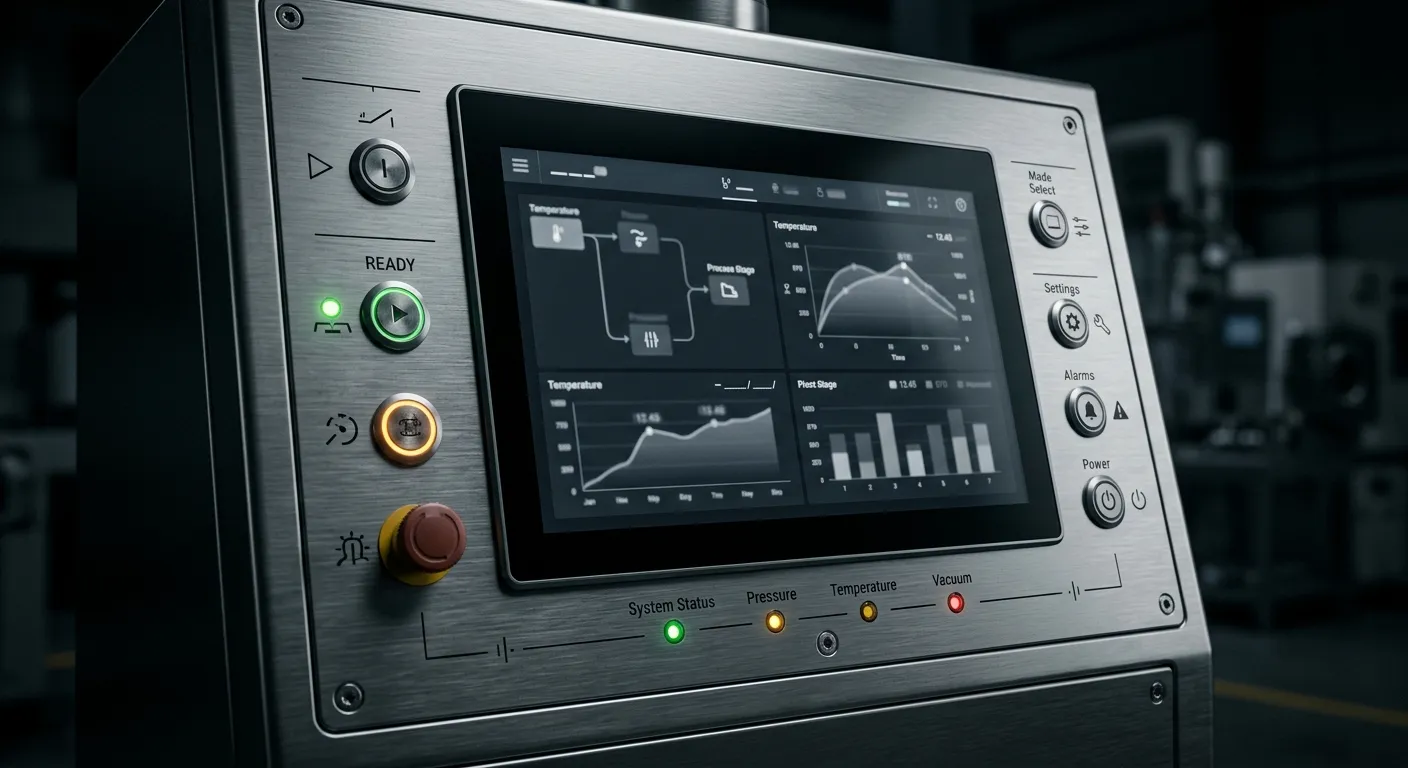
System Integration & Upgrades
Turnkey integration, control-system modernization, rapid-cooling upgrades, and lifecycle support.
- Production-line integration
- HMI modernization
- Remote diagnostics
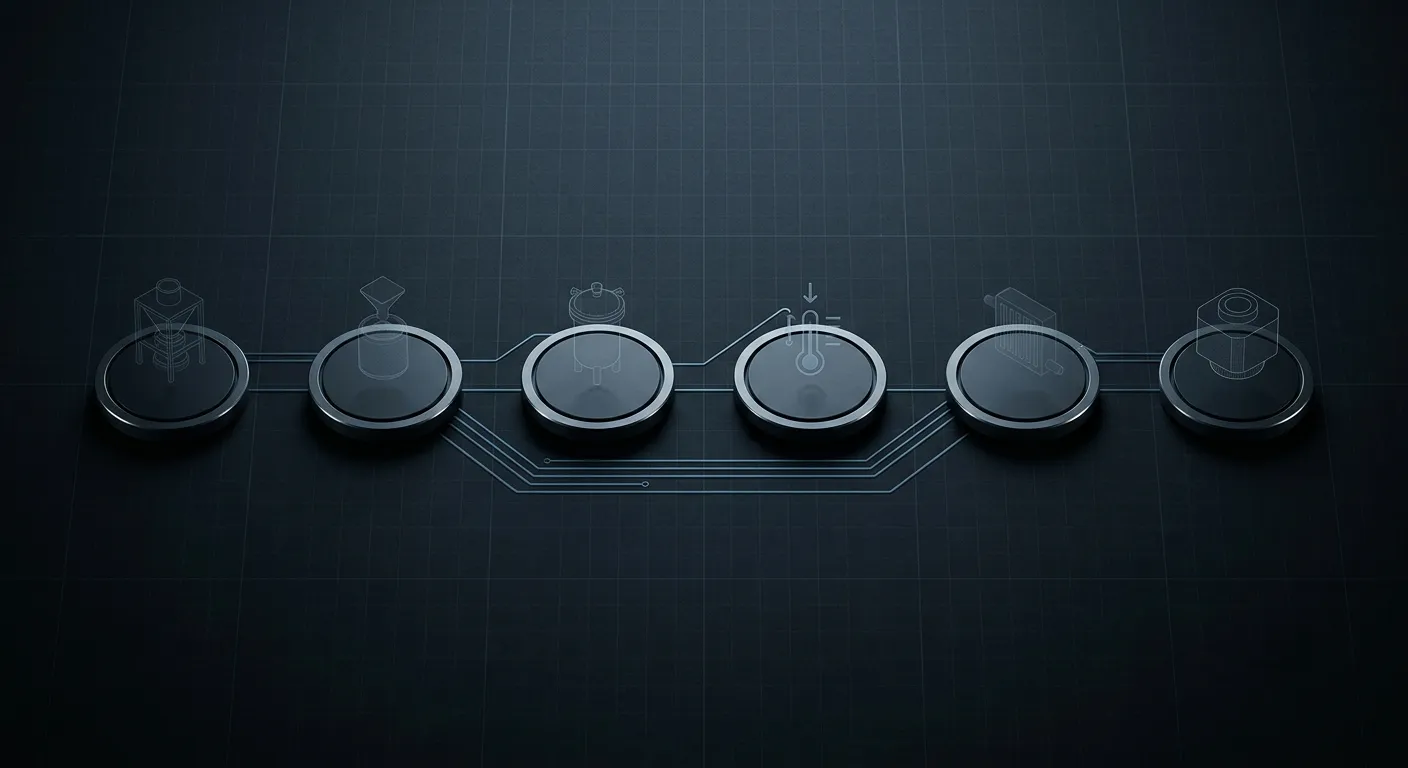
Process Window
A traceable cycle combining temperature, pressure, and inert atmosphere
From furnace loading and heat-up under pressure through hold and controlled cooling, every stage affects pore closure, microstructural evolution, and final fatigue performance. Materials, usable-zone requirements, cooling strategies, and batch data should be evaluated together early in the selection process.
See how the HIP process worksCycle Intelligence
HIP Pressure-Temperature-Time Profile
Review how heating, pressurization, holding, and controlled cooling interact throughout a representative cycle.
| Phase | Time | Temperature | Pressure |
|---|---|---|---|
| Load & purge | 0 h | 25°C | 0.1 MPa |
| Heat & pressurize | 2 h | 900°C | 60 MPa |
| Hold | 4 h | 920°C | 100 MPa |
| Controlled cooling | 6 h | 420°C | 80 MPa |
| Depressurize & unload | 8 h | 80°C | 0.1 MPa |
This illustrative cycle shows the expected data structure only. Final parameters must be validated for the material, load configuration, usable zone, equipment design, and applicable customer standards.
Equipment Architecture
Pressure-vessel and usable-zone architecture
See how the pressure vessel, usable zone, loading envelope, and production-line interfaces fit together.
Core Equipment
Wire-wound pressure vessel with a configurable usable zone
The wire-wound structure transfers pressure loads into high-strength steel wire layers and is engineered for sustained operation up to 200 MPa. Usable-zone diameters can scale from Ø100 mm laboratory systems to Ø2000 mm production platforms, with the vessel envelope and process interfaces configured for the application and facility.
Procurement Confidence
Engineering capabilities, compliance pathways, and lifecycle service
Give engineering, procurement, quality, and EHS teams the parameters, evidence, and service scope needed for a complete assessment.
Process Envelope
Pressure platforms up to 200 MPa
CAPControl & Data
Recipe management and role-based access
CAPFactory Integration
Plant layout and foundation-load recommendations
QAQuality & Compliance
Pressure vessel compliance, FAT/SAT, batch records and customer review materials.
SVCLifecycle Services
System selection, facility planning, installation, training, spare parts, and preventive maintenance.
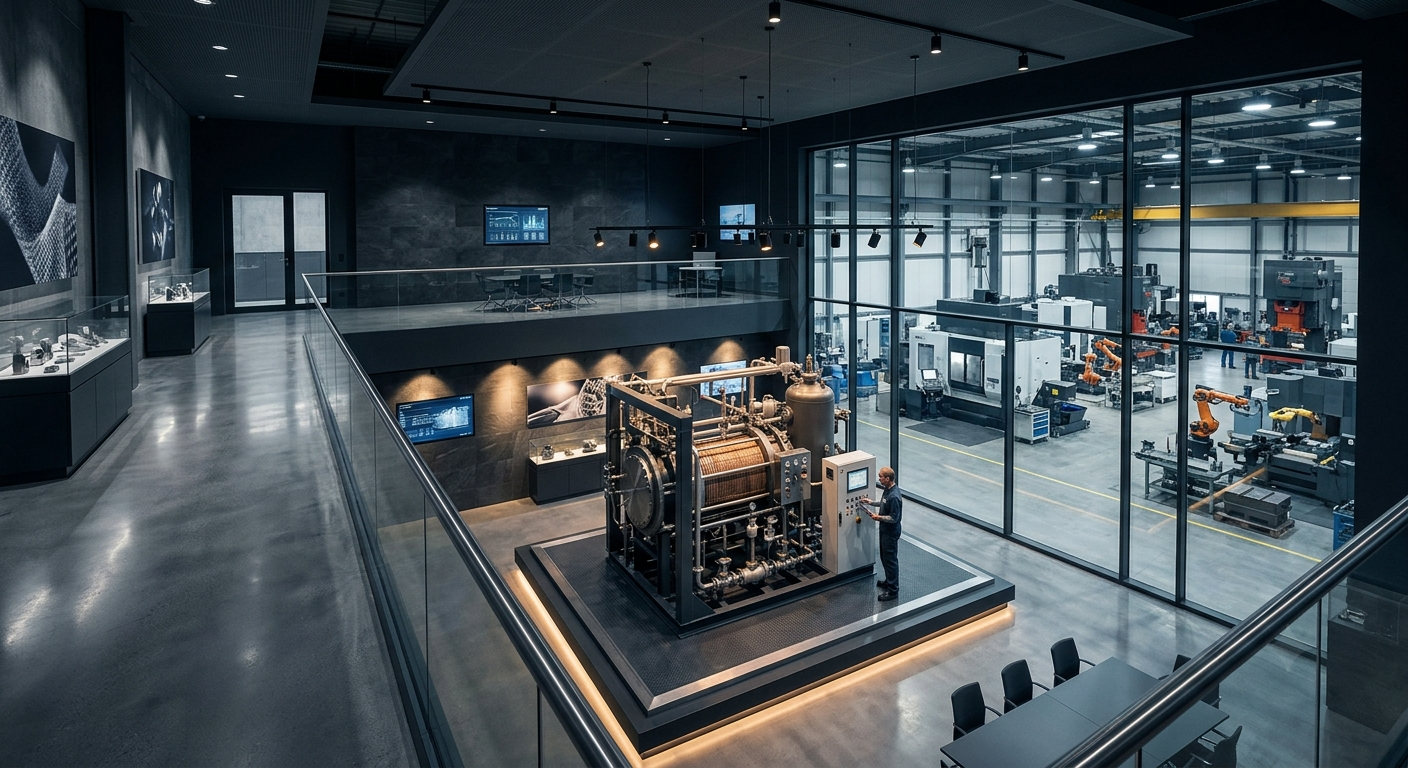 Engineering Capabilities Overview
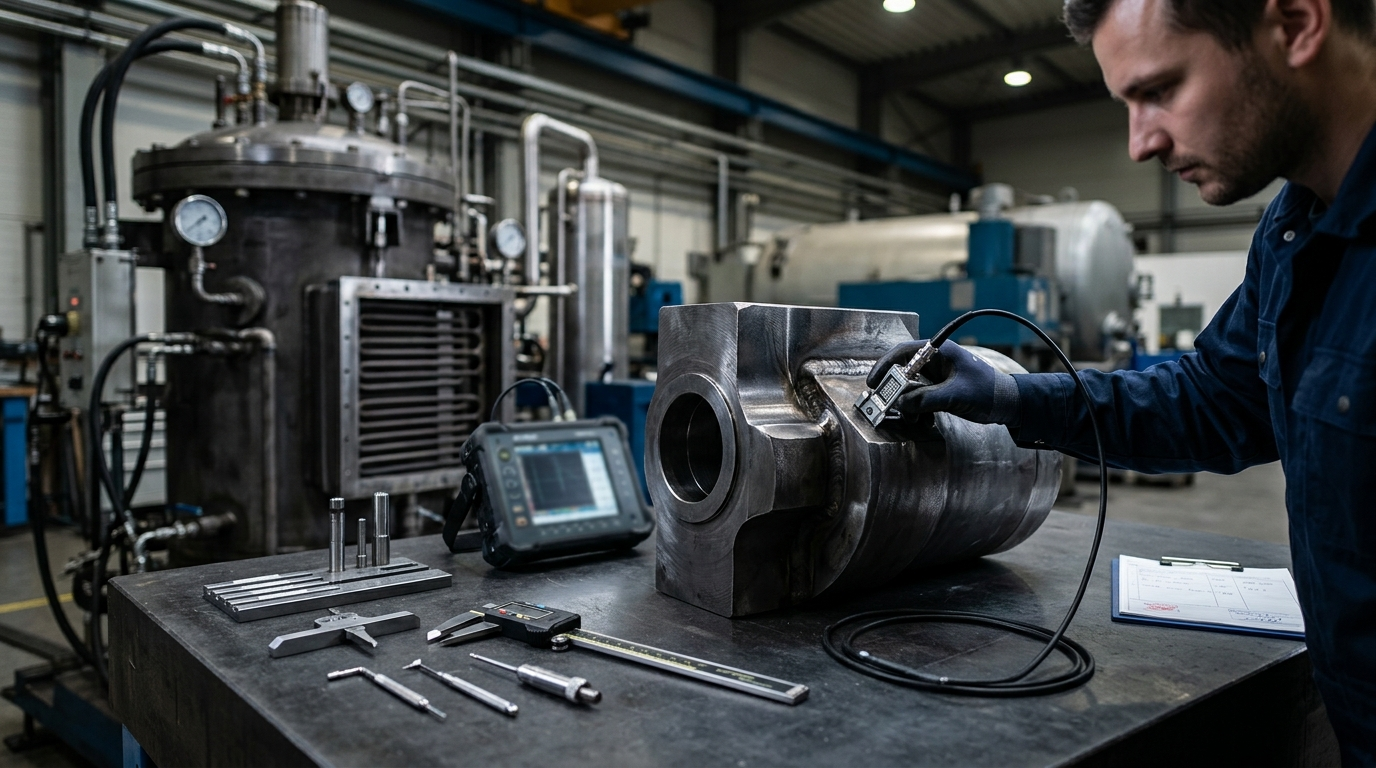 Quality and Service Evidence
Industry Applications
Industry Applications for Mission-Critical Parts
Across aerospace, additive manufacturing, medical implants, energy, and automotive applications, match the process window to each stage from material R&D through industrial production.
 01
01Aerospace
Close internal pores and improve the fatigue performance of turbine, titanium-alloy, and additively manufactured components.
 02
02Additive Manufacturing
Convert near-net-shape metal AM parts into dense, verifiable components ready for qualification.
 03
03Medical Implants
Improve titanium-alloy implant density while maintaining atmosphere control and batch-to-batch consistency.
 04
04Energy & Power Generation
Densify nickel-based alloys, turbine discs, and critical pressure-bearing components for demanding service conditions.
 05
05Automotive & Transportation
Support repeatable production of MIM, PM-HIP, and lightweight structural components.
Knowledge Center
Engineering Knowledge Base
HIP standards guides, a technical glossary, system comparisons, and application resources support engineering and procurement teams from initial evaluation through equipment selection.
HIP Standards Guide
HIP standards, certification and quality traceability guide for AM, aerospace and medical parts.
TermHIP Technical Glossary
Definitions for HIP, CIP, WIP, PM-HIP, HPHT, URC, hot zone, batch traceability, and related terms.
ToolsProduct Comparison
Compare the process windows and applications of HIP, CIP, WIP, and integrated-system solutions.
TechnologyHPHT / URC / URQ
Explore integrated HIP and heat treatment, Uniform Rapid Cooling, Uniform Rapid Quenching, and Purus atmosphere control.
 Technical Resource Center
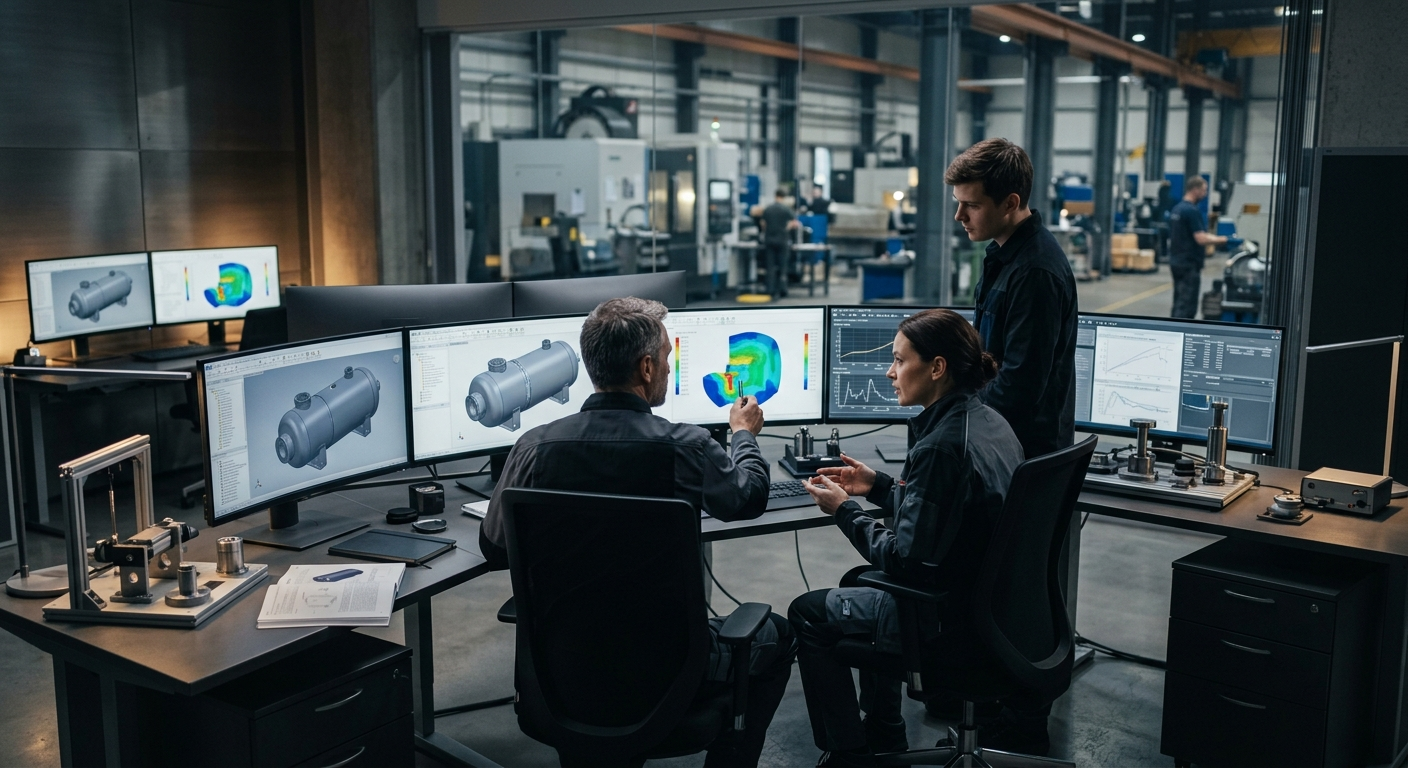 Application Validation Center
CTA Ladder
Choose the Next Step for Your Project
Progress from technical review to process-window validation and a fully defined equipment RFQ.
Review Technical Resources
Complete an internal review using standards, the glossary, and technical articles before submitting a full RFQ.
Explore ResourcesValidateRequest a Process-Window Assessment
Share the material, manufacturing route, defect type, part envelope, and performance targets so the pressure-temperature window and validation plan can be assessed.
View the Validation PathSpecifySubmit a Formal RFQ
Once the usable zone, throughput, facility utilities, and quality-document requirements are defined, proceed to equipment selection and quotation.
Submit an Engineering RFQEngineering RFQ
Need help selecting a HIP system for your material, part envelope, or throughput?
Share the material, process targets, and annual throughput so the first discussion can focus on pressure, temperature, usable-zone size, and cooling strategy.