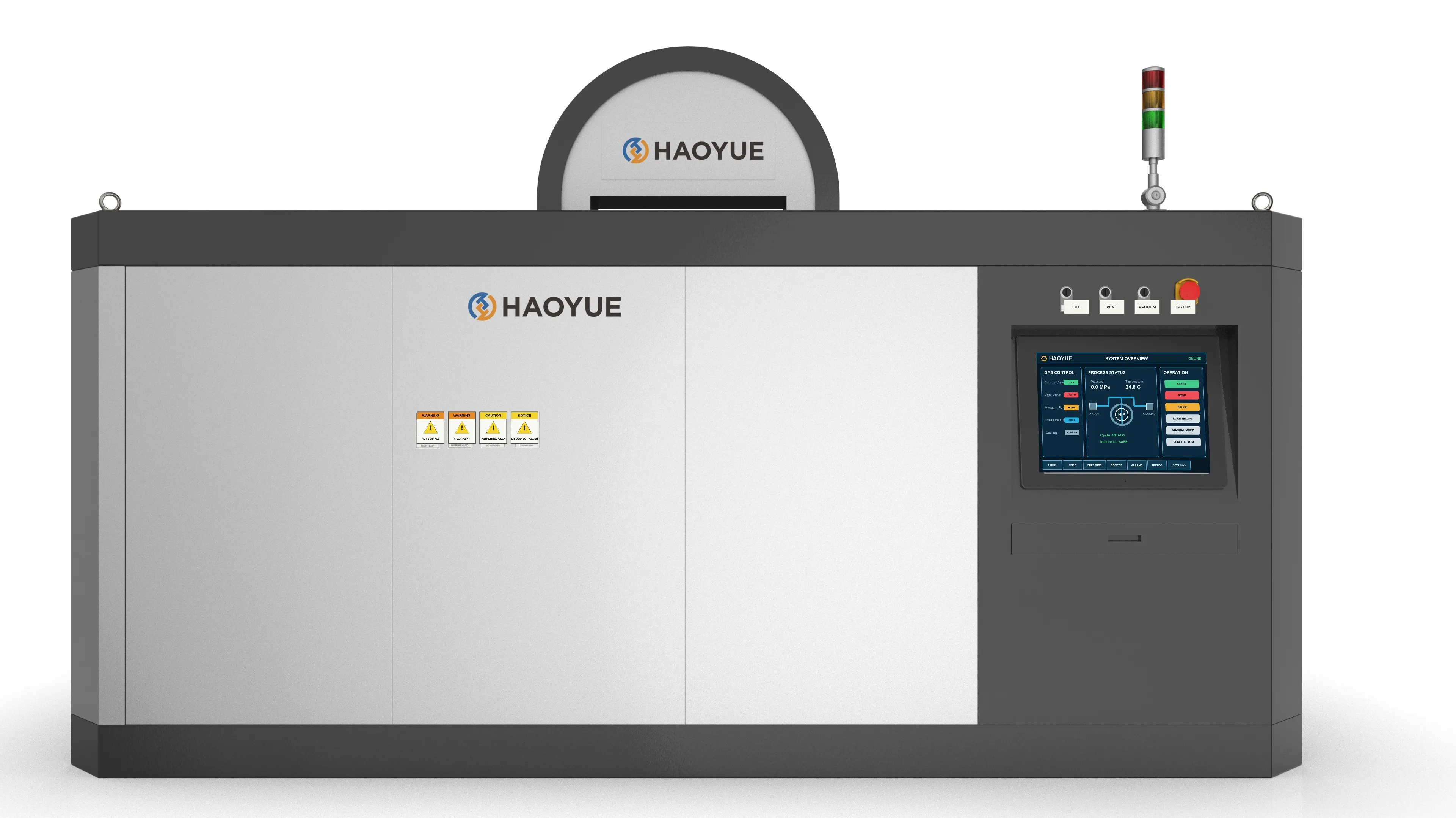
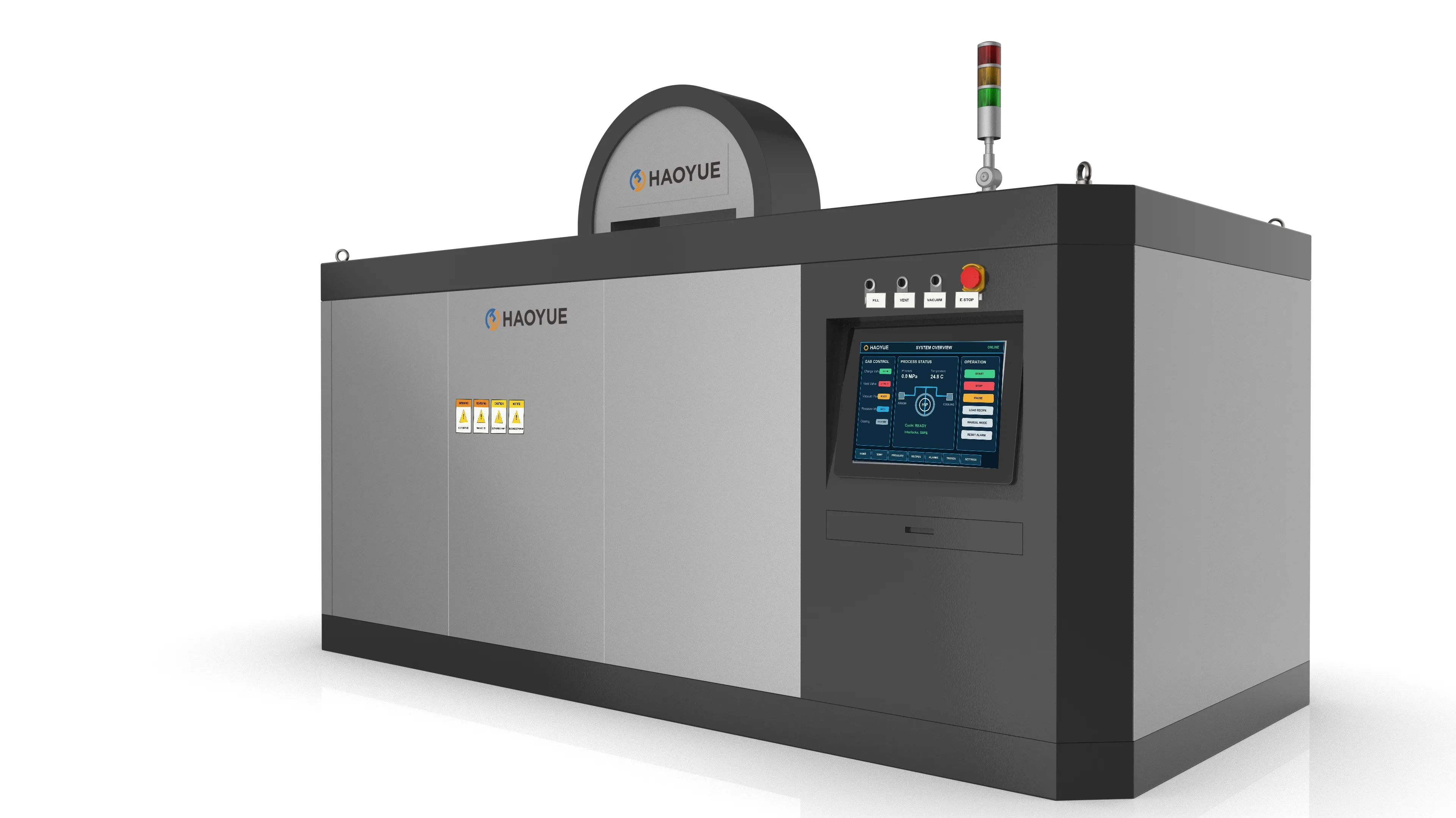
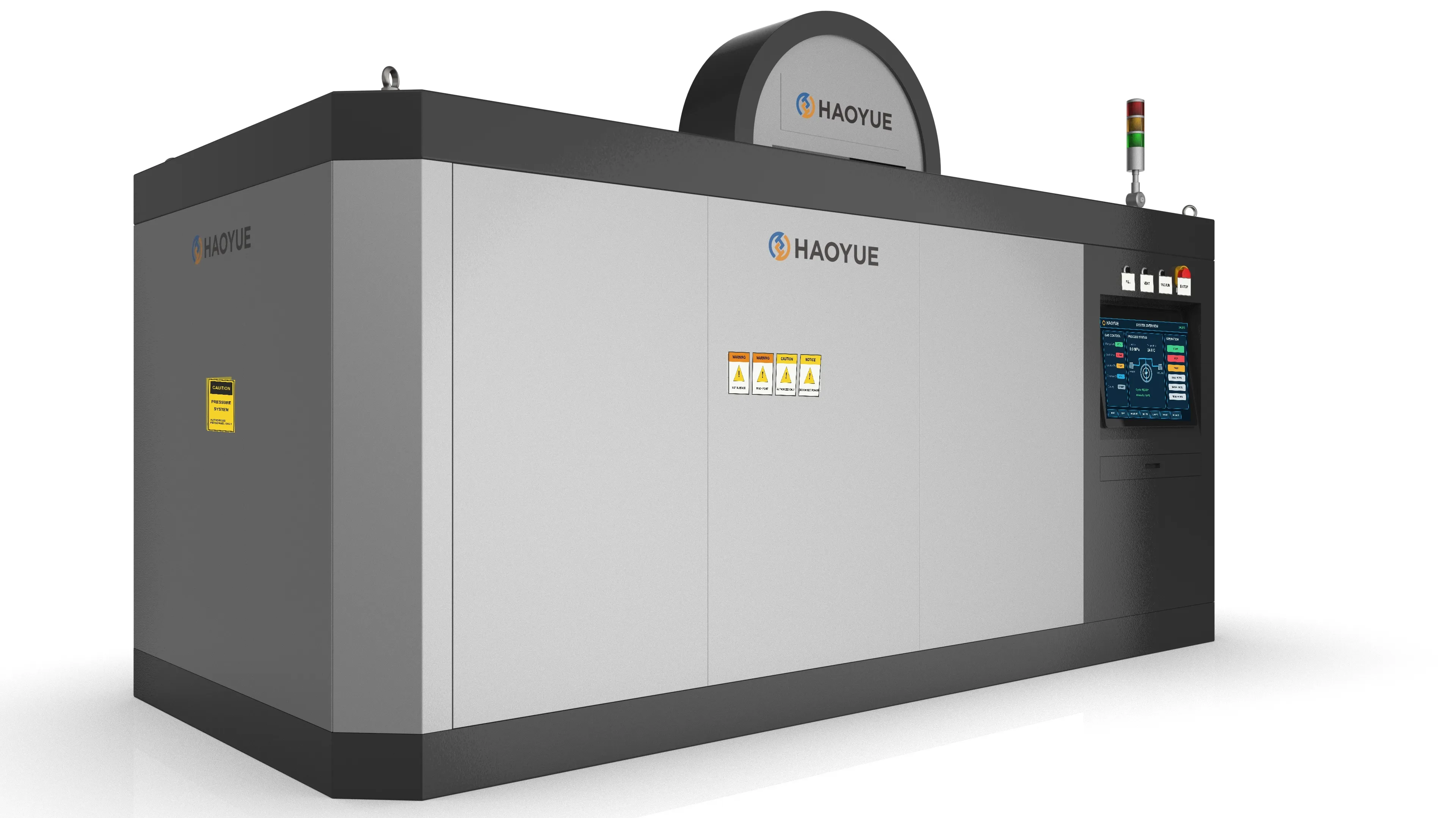
Laboratory
I1 / I2
For material R&D, parameter development, and small-batch process-window validation.
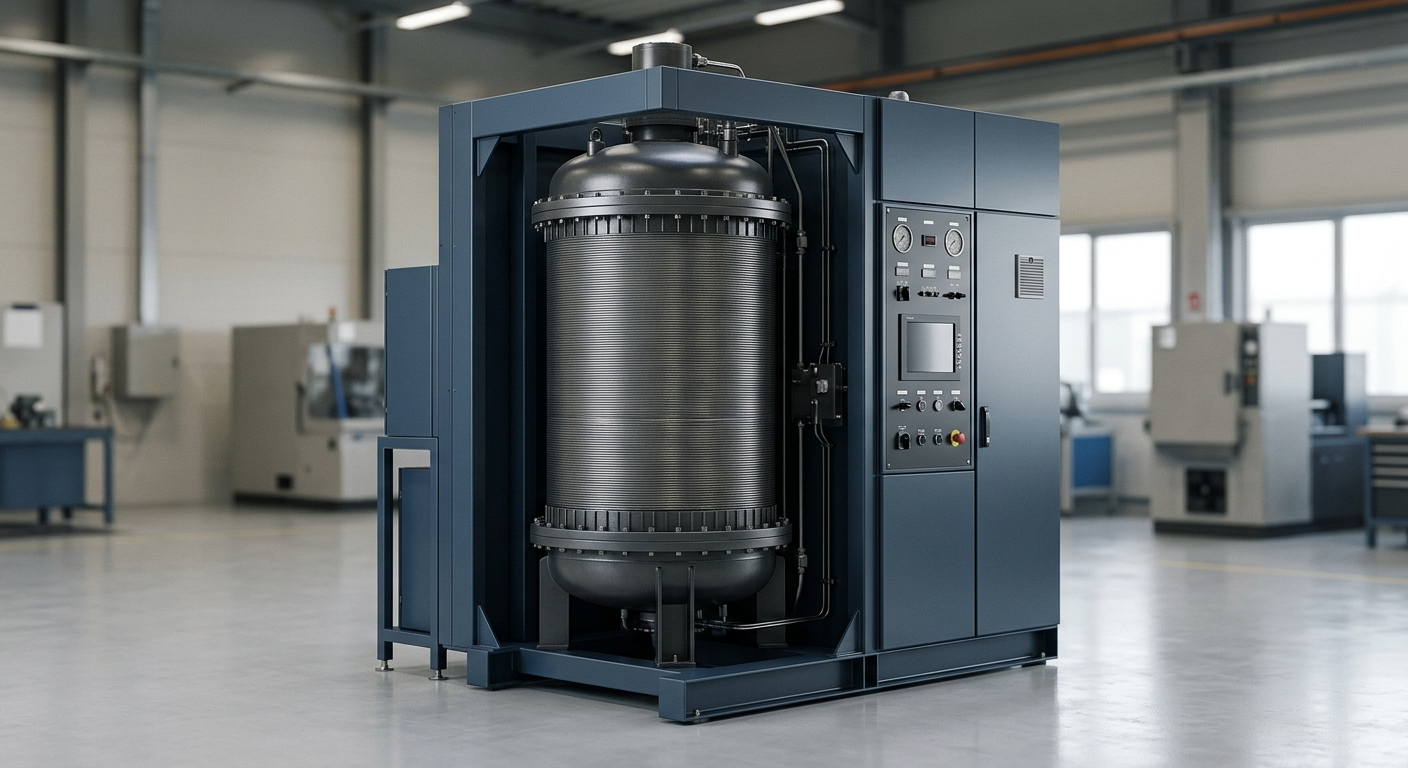
Product Matrix
Start with the process type, pressure and temperature window, usable-zone size, throughput, cycle time, and required quality documentation, then move into detailed equipment selection.
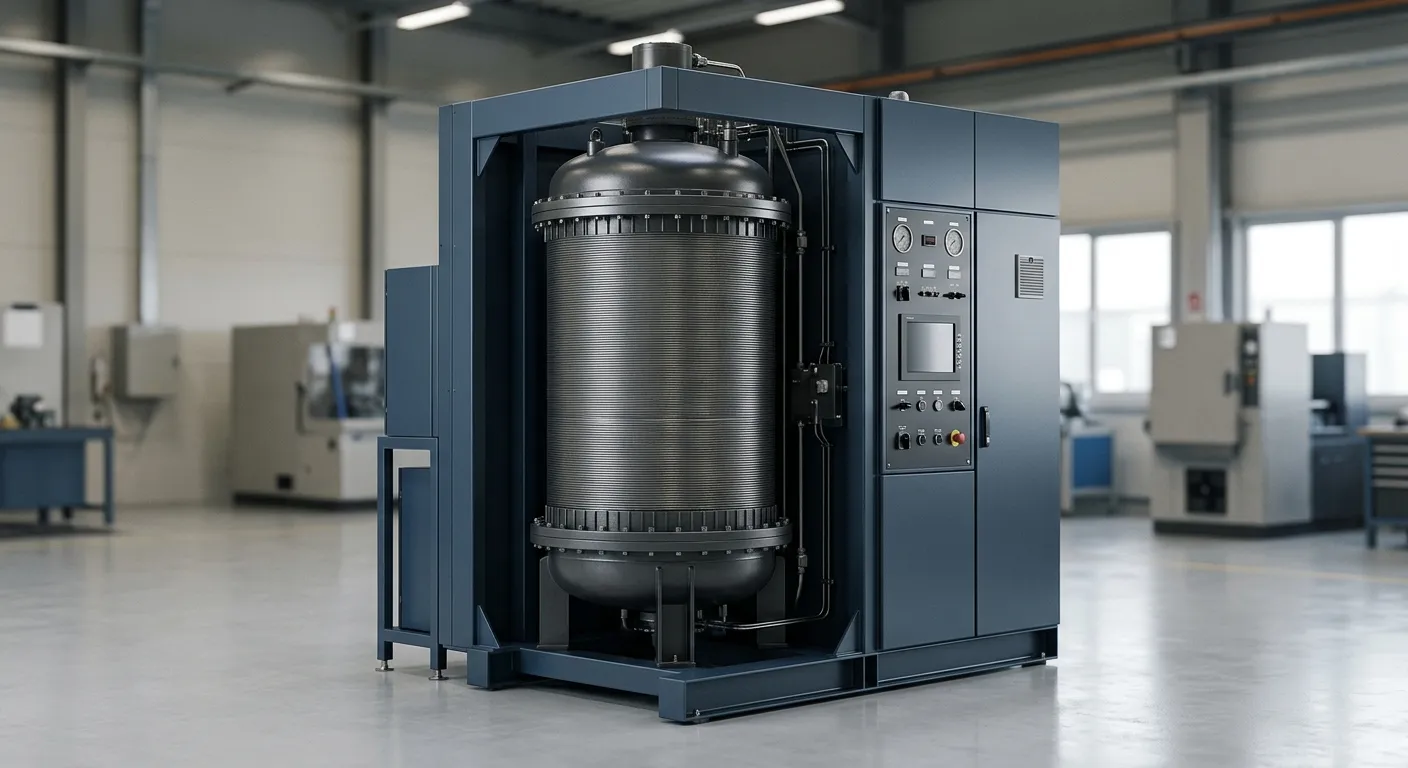
Pore closure and densification for castings, powder-metallurgy components, and metal additive-manufacturing parts.
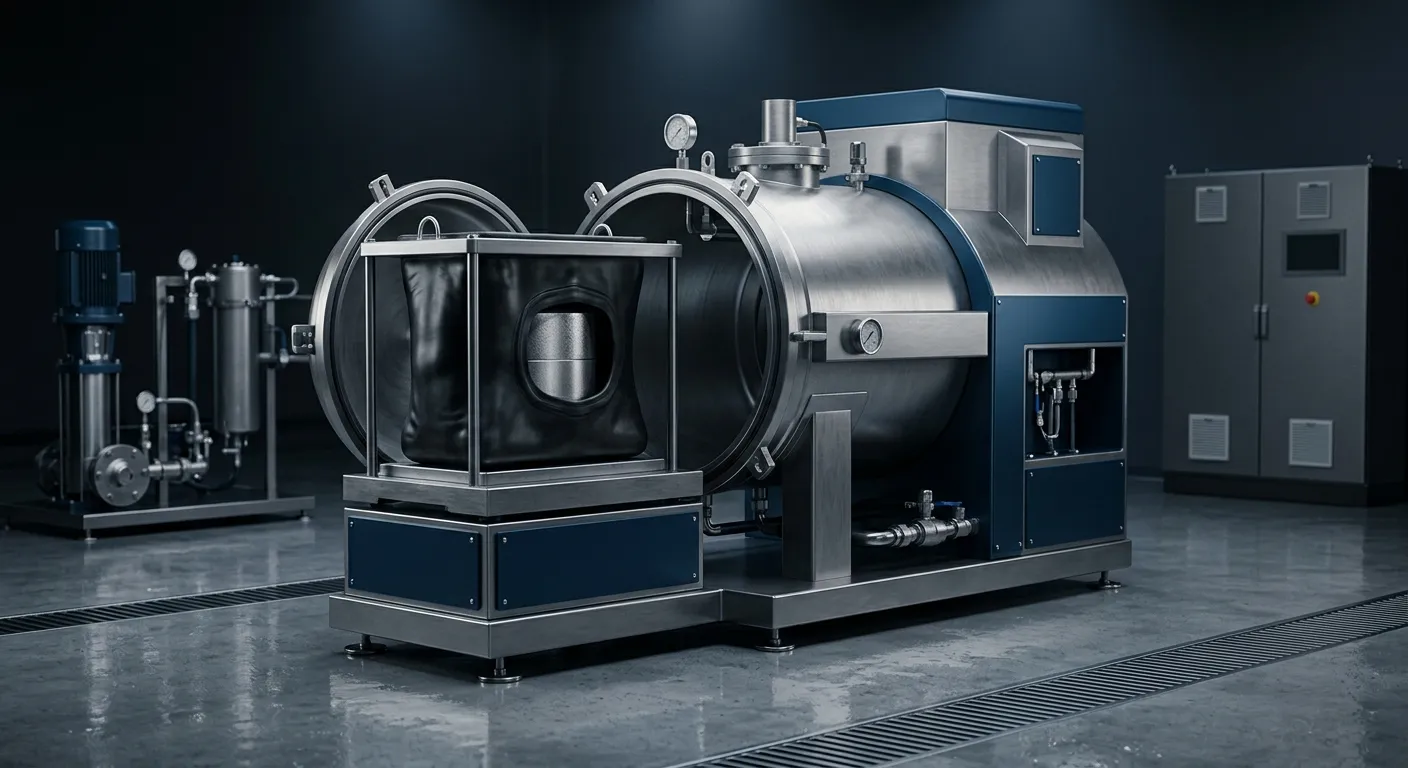
Room-temperature isostatic pressing for powder forming and ceramic or cemented-carbide green bodies.
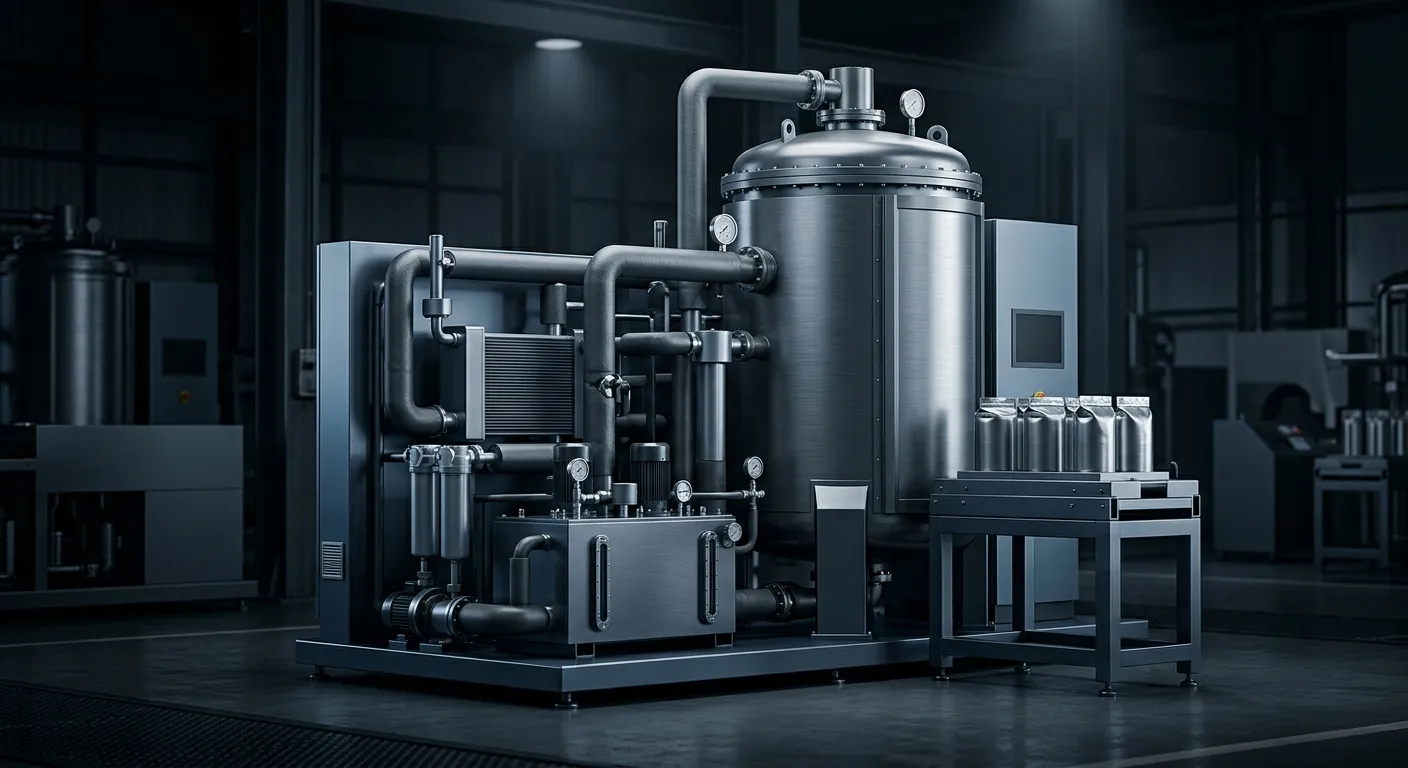
Temperature-controlled isostatic pressing for battery materials, ceramics, and composite laminates.
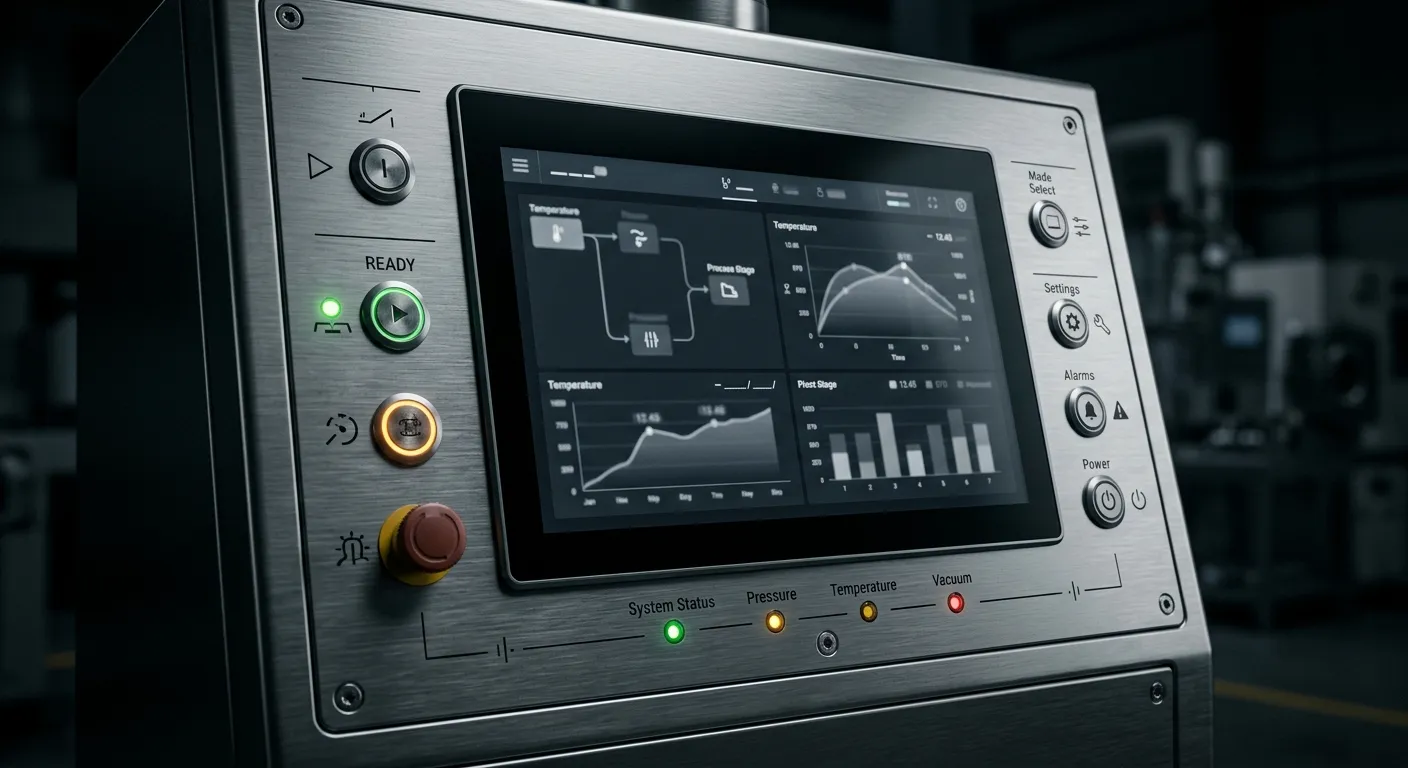
Turnkey integration, control-system modernization, rapid-cooling upgrades, and lifecycle support.
HIP Specification Tiers
These typical configuration ranges help procurement and engineering teams frame the usable zone, pressure and temperature limits, and intended applications. Final specifications are confirmed against the process, regulatory pathway, and facility interfaces.
Laboratory
For material R&D, parameter development, and small-batch process-window validation.
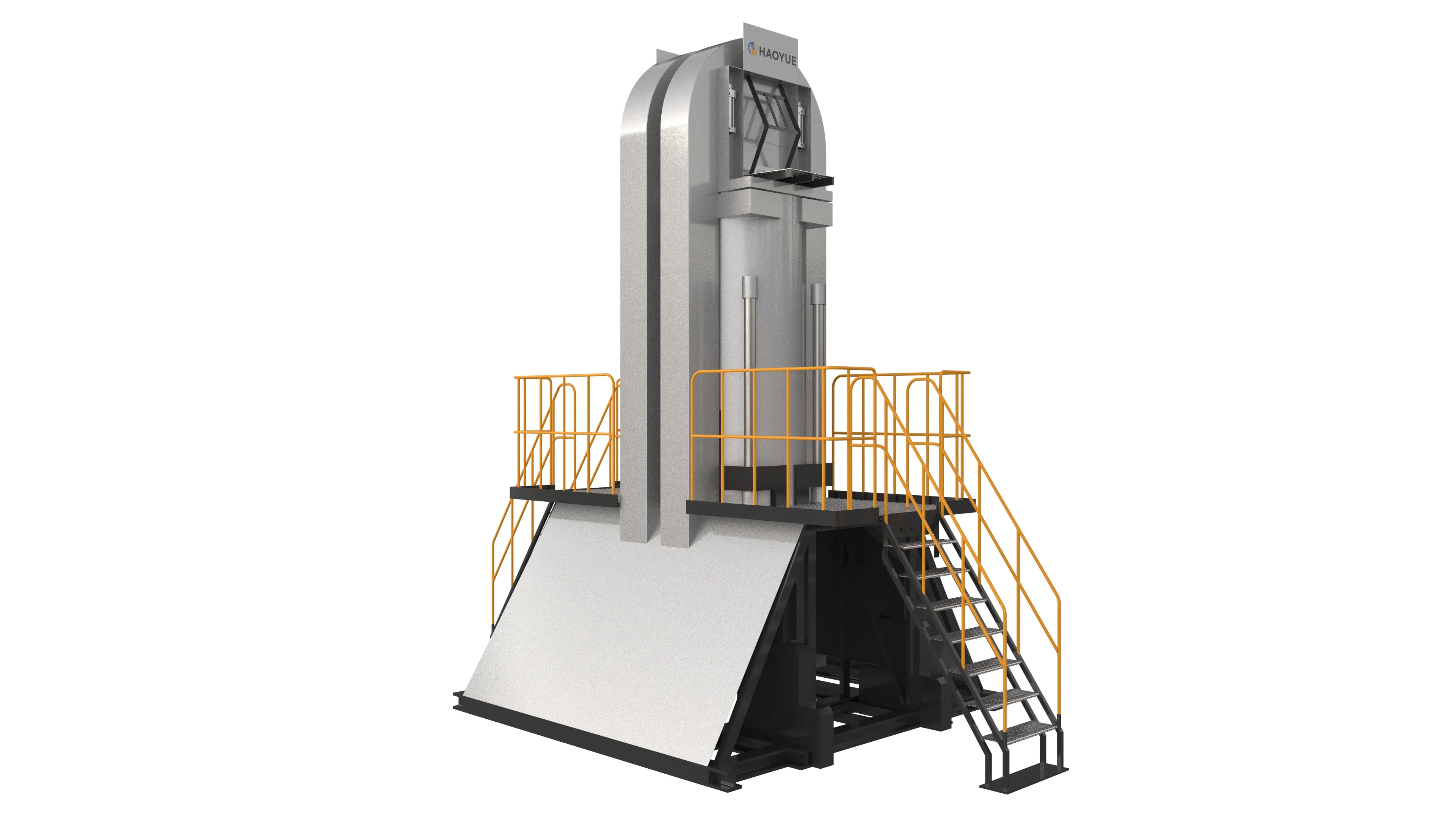
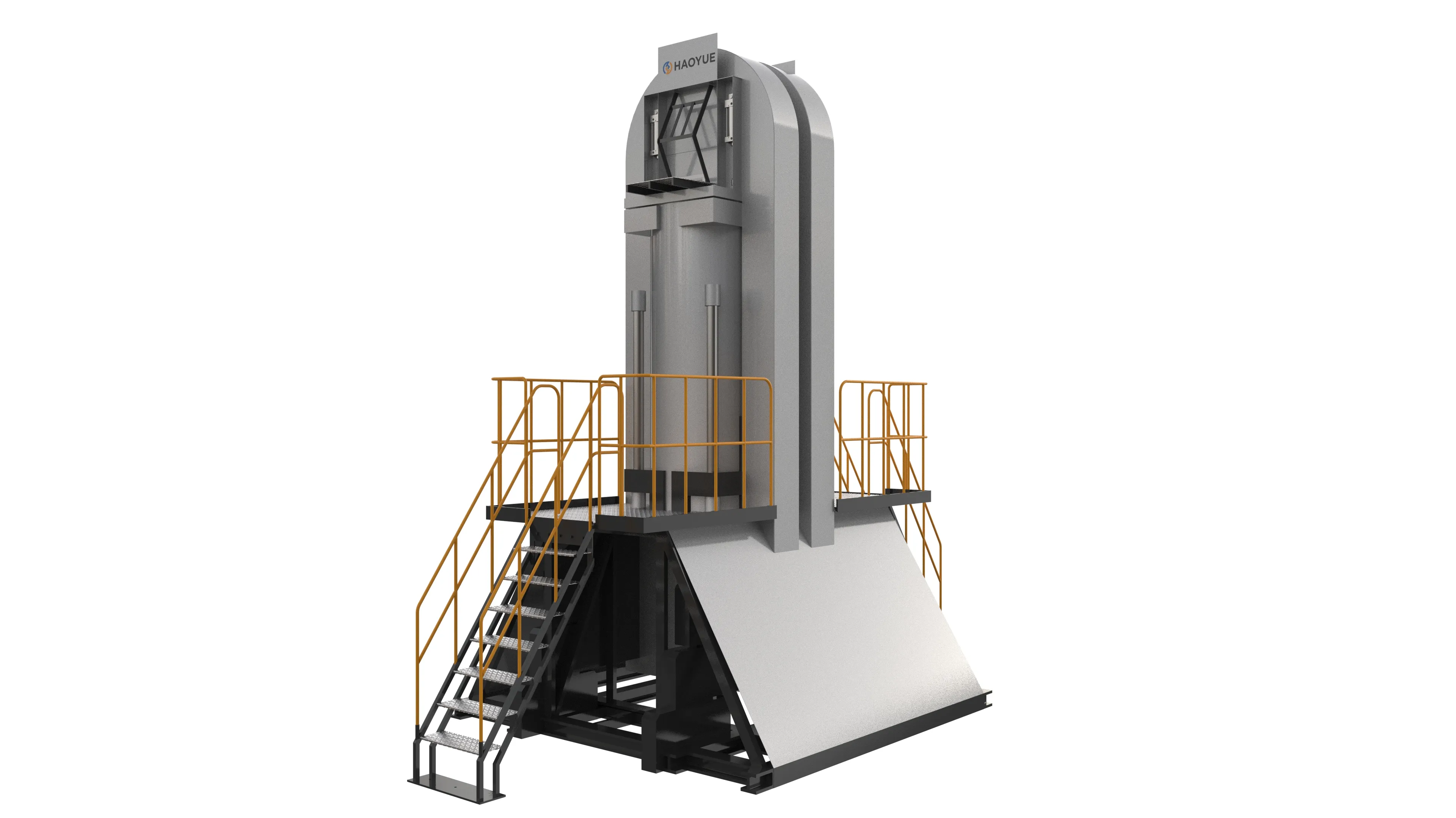
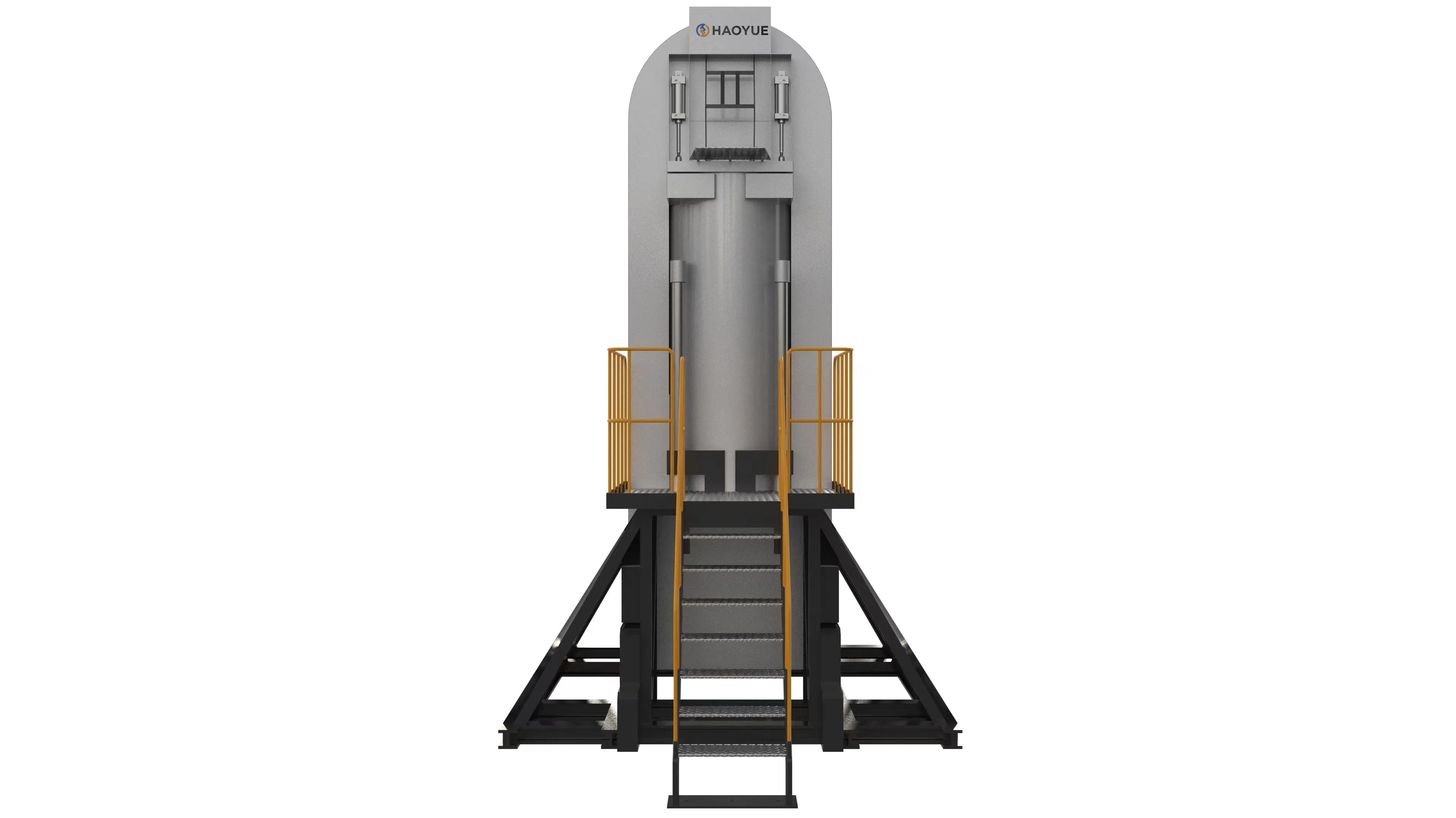
Pilot
For scale-up studies, application validation, and pilot-batch operation.
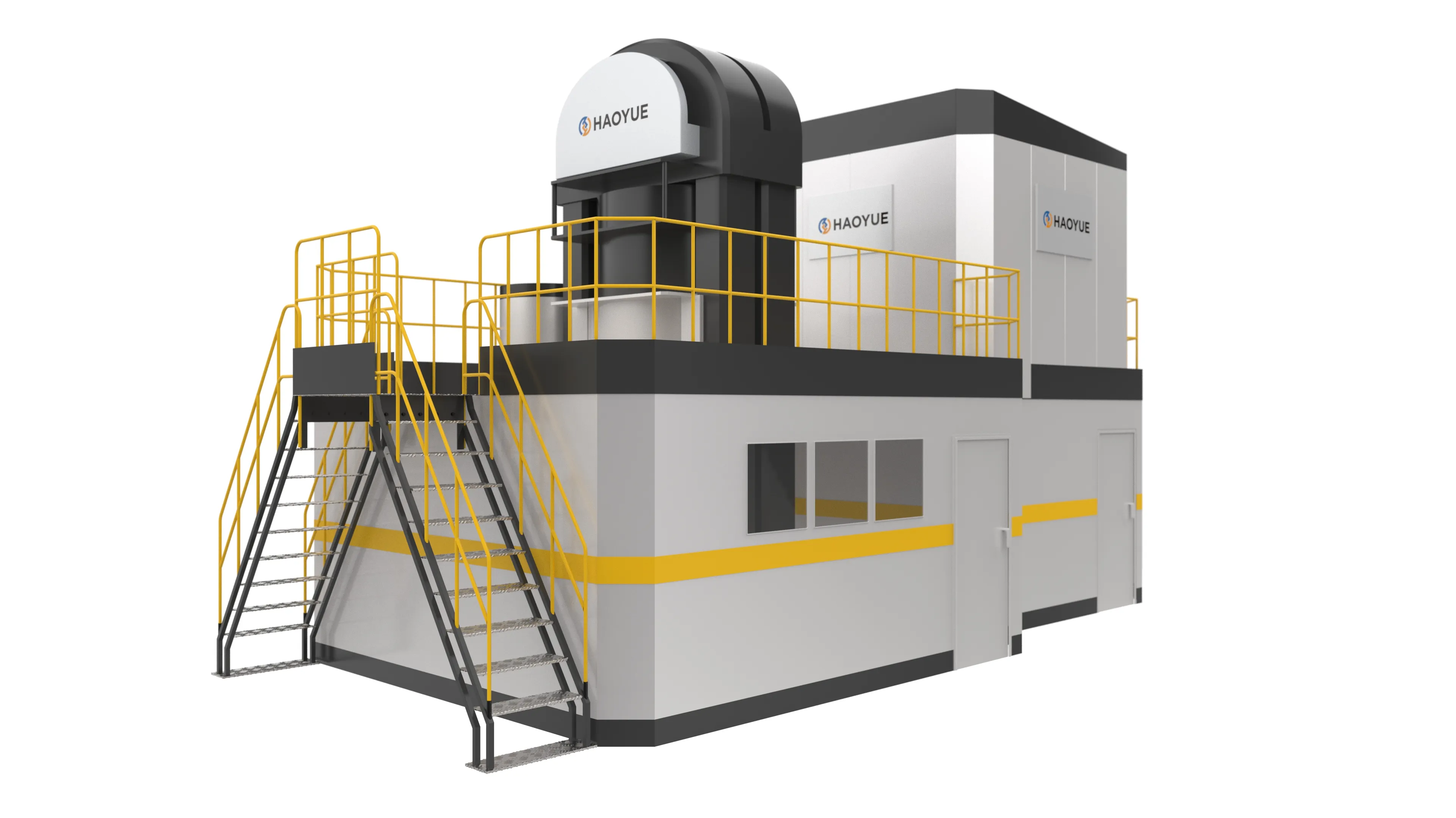
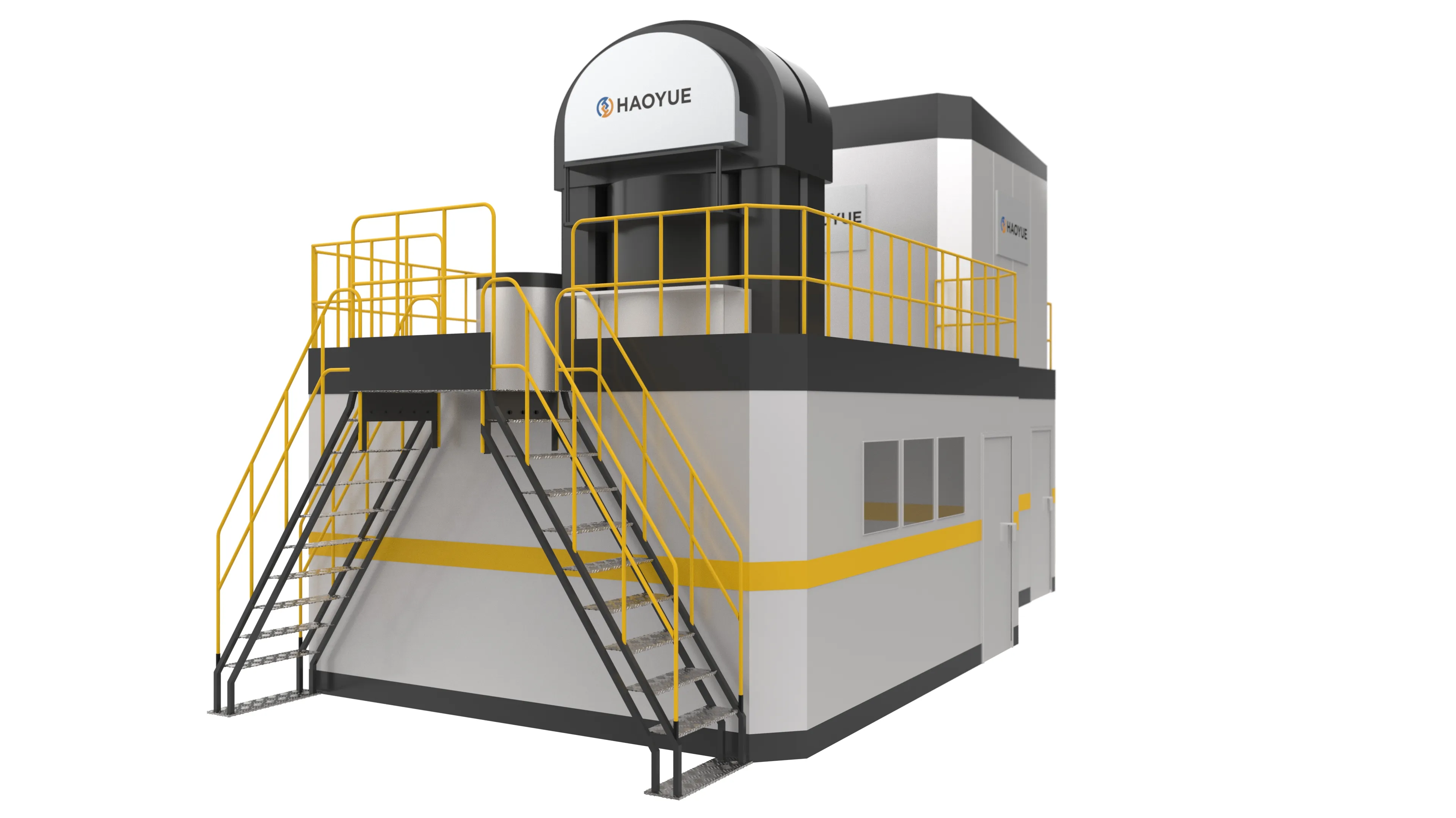
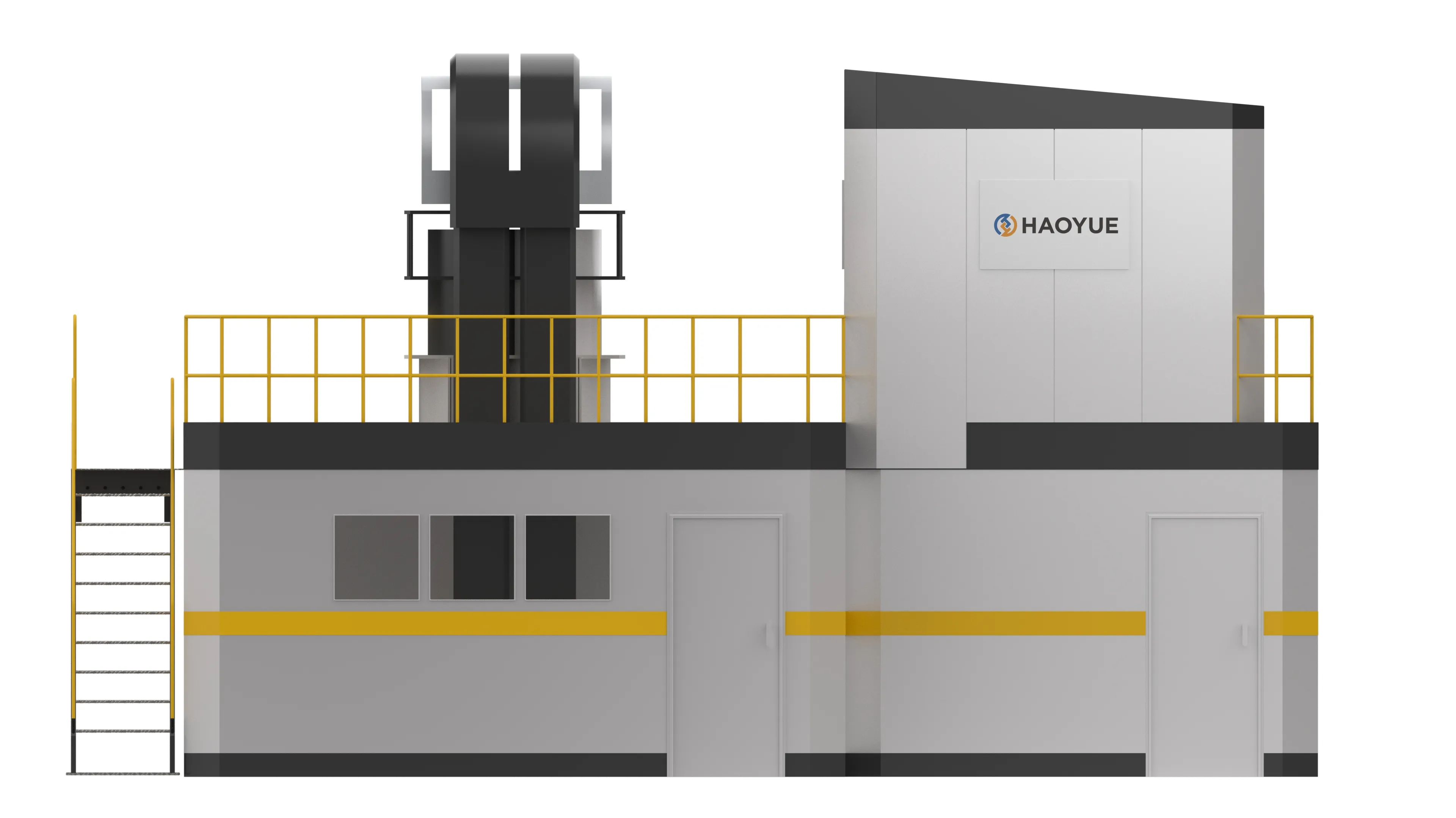
Industrial
For production throughput, large usable zones, and integration with industrial manufacturing lines.
| Class | Model | Usable Zone | Temperature | Pressure | Heater & Insulation |
|---|---|---|---|---|---|
| Laboratory | I1 | Φ100 × 150 mm | 1400 / 2000°C | 200 MPa | Up to 1400°C: molybdenum-lanthanum heater with molybdenum insulation; higher temperatures: graphite heater with carbon-felt insulation |
| Laboratory | I2 | Φ200 × 250 mm | 1400 / 2000°C | 200 MPa | Up to 1400°C: molybdenum-lanthanum heater with molybdenum insulation; higher temperatures: graphite heater with carbon-felt insulation |
| Pilot | I3 | Φ350 × 700 mm | 1000 / 1400 / 2000°C | 100 / 150 / 200 MPa | Up to 1400°C: molybdenum-lanthanum heater with molybdenum insulation; higher temperatures: graphite heater with carbon-felt insulation |
| Industrial | I5 | Φ500 × 1000 mm | 1000 / 1400 / 2000°C | 100 / 150 / 200 MPa | Up to 1400°C: molybdenum-lanthanum heater with molybdenum insulation; higher temperatures: graphite heater with carbon-felt insulation |
| Industrial | I7 | Φ750 × 1500 mm | 1000 / 1400 / 2000°C | 100 / 150 / 200 MPa | Up to 1400°C: molybdenum-lanthanum heater with molybdenum insulation; higher temperatures: graphite heater with carbon-felt insulation |
| Industrial | I10 | Φ1000 × 1500 mm / Φ1000 × 2000 mm | 1000 / 1400 / 1800°C | 100 / 150 / 200 MPa | Up to 1400°C: molybdenum-lanthanum heater with molybdenum insulation; higher temperatures: graphite heater with carbon-felt insulation |
| Industrial | I12.5 | Φ1250 × 1500 mm / Φ1250 × 2500 mm | 1000 / 1400 / 1800°C | 100 / 150 / 200 MPa | Up to 1400°C: molybdenum-lanthanum heater with molybdenum insulation; higher temperatures: graphite heater with carbon-felt insulation |
Selection Path
The decision chain for high-pressure processing equipment spans process, quality, facility, utilities, and lifecycle service. Break selection into three questions so the first discussion starts at the right engineering level.
Material grades, manufacturing routes, pore types, and target properties determine whether HIP, CIP, or WIP is appropriate.
Pressure, temperature, atmosphere, usable-zone size, cooling strategy, and target batch cycle all influence equipment selection.
Facility interfaces, FAT/SAT, quality documentation, training, spares, and lifecycle service should be reviewed together before procurement.
CTA Ladder
If the usable zone and throughput are still unclear, begin with a process-window assessment. Once the boundaries are defined, advance to a formal RFQ.
Complete an internal review using standards, the glossary, and technical articles before submitting a full RFQ.
Explore ResourcesValidateShare the material, manufacturing route, defect type, part envelope, and performance targets so the pressure-temperature window and validation plan can be assessed.
View the Validation PathSpecifyOnce the usable zone, throughput, facility utilities, and quality-document requirements are defined, proceed to equipment selection and quotation.
Submit an Engineering RFQ