
Residual Porosity
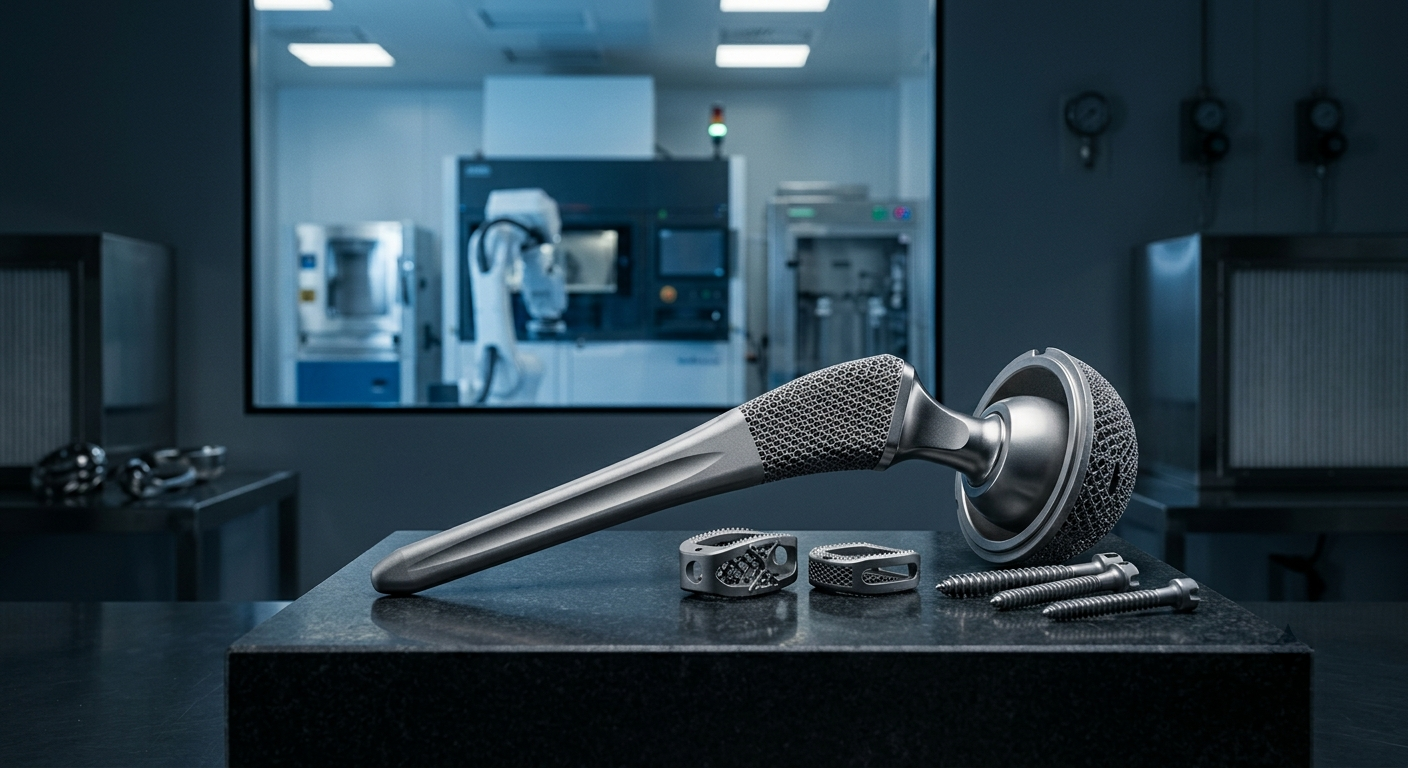
Internal pores in metal AM components can reduce fatigue life, fracture toughness, and batch consistency.
Solution
The AM pathway connects pore closure, fatigue-performance improvement, shorter outsourced lead times, heat treatment, inspection, and quality traceability into one complete post-processing route.
Internal pores in metal AM components can reduce fatigue life, fracture toughness, and batch consistency.
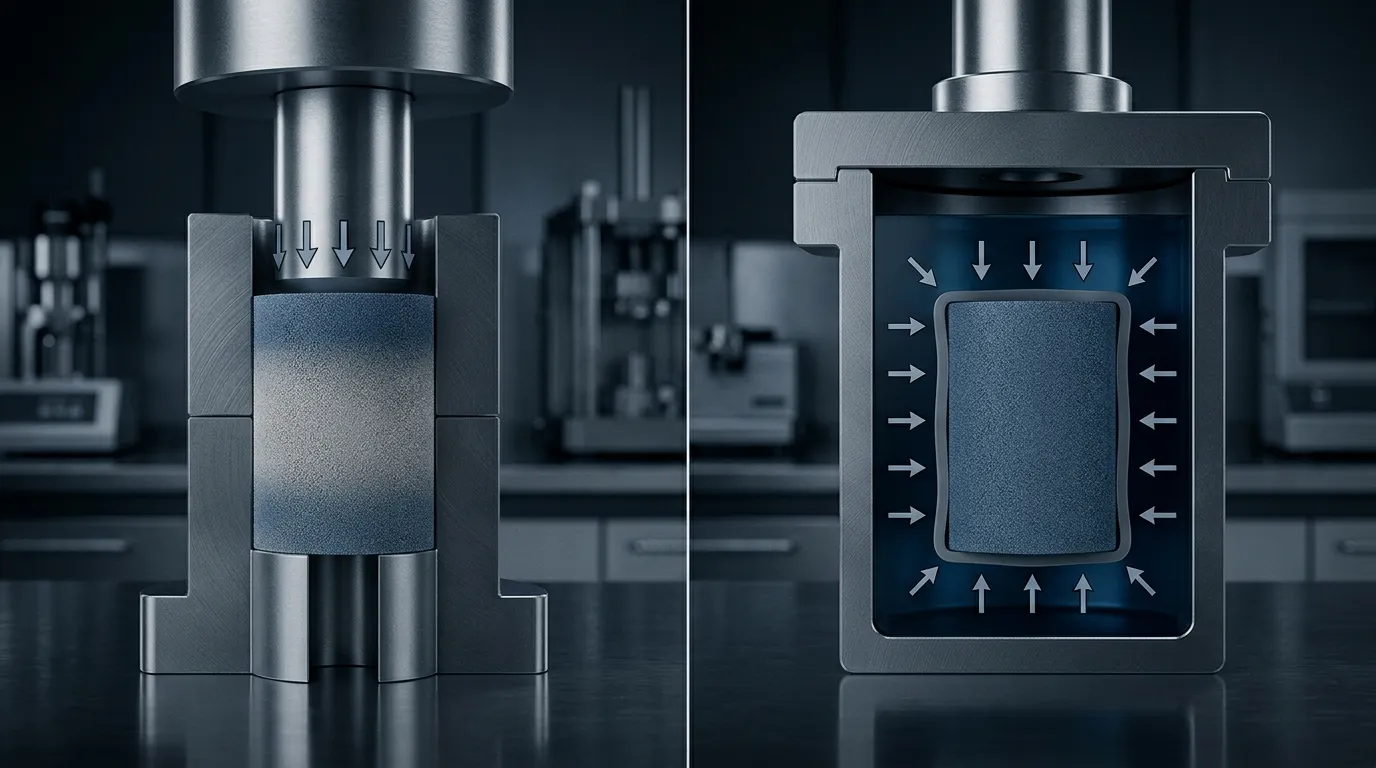
High temperature and isostatic gas pressure close internal defects and can move material performance toward a fully dense benchmark. ASTM F3301 is a common reference for metal AM thermal post-processing.
Integrating rapid cooling, solution treatment, or aging objectives can reduce separate cycles, transfers, and repeated heating.
Pressure, temperature, time, alarm, recipe, and operator records can support qualification and audit evidence for aerospace, medical, and other critical components.
Industrial CT, metallography, density, tensile, and fatigue results are correlated with batch data to refine a reusable process window. ASTM E1441 and E1570 may inform CT practice.
An internal HIP capability can shorten queues and protect critical process parameters as AM volumes grow or delivery schedules tighten.
Workflow
This pathway helps AM service providers, aerospace manufacturers, and medical-implant teams evaluate an in-house HIP capability and define qualification targets for porosity, fatigue life, CT acceptance criteria, and batch yield.