RFQ
Generic case study visual template
Go back to home

Application Notes

Assess the value of HIP through application needs, validation paths, and evidence boundaries

These application analyses explain how HIP may affect porosity, fatigue performance, lead time, and quality traceability. They are engineering guidance, not commitments to specific project results.

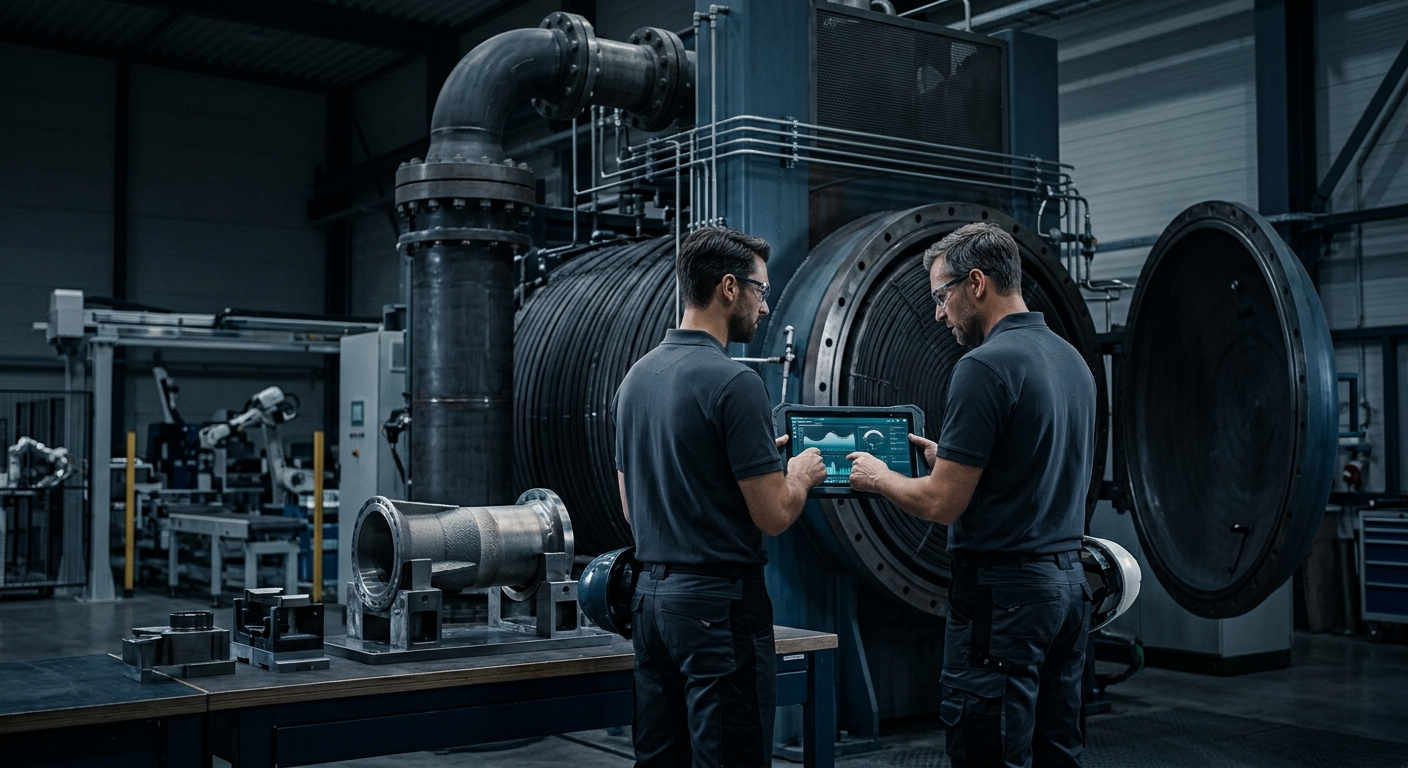
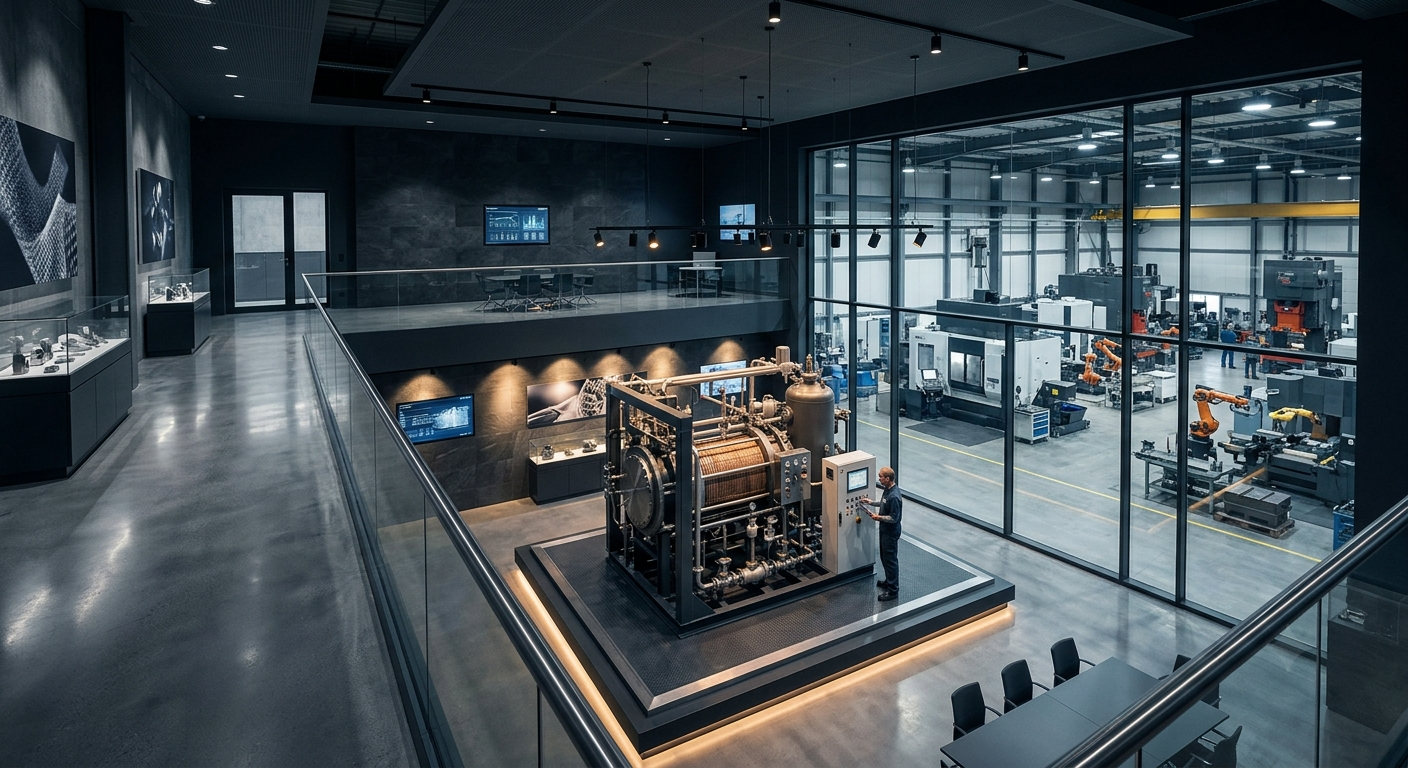
Factory customer center and demonstration environment
Schematic/concept rendering
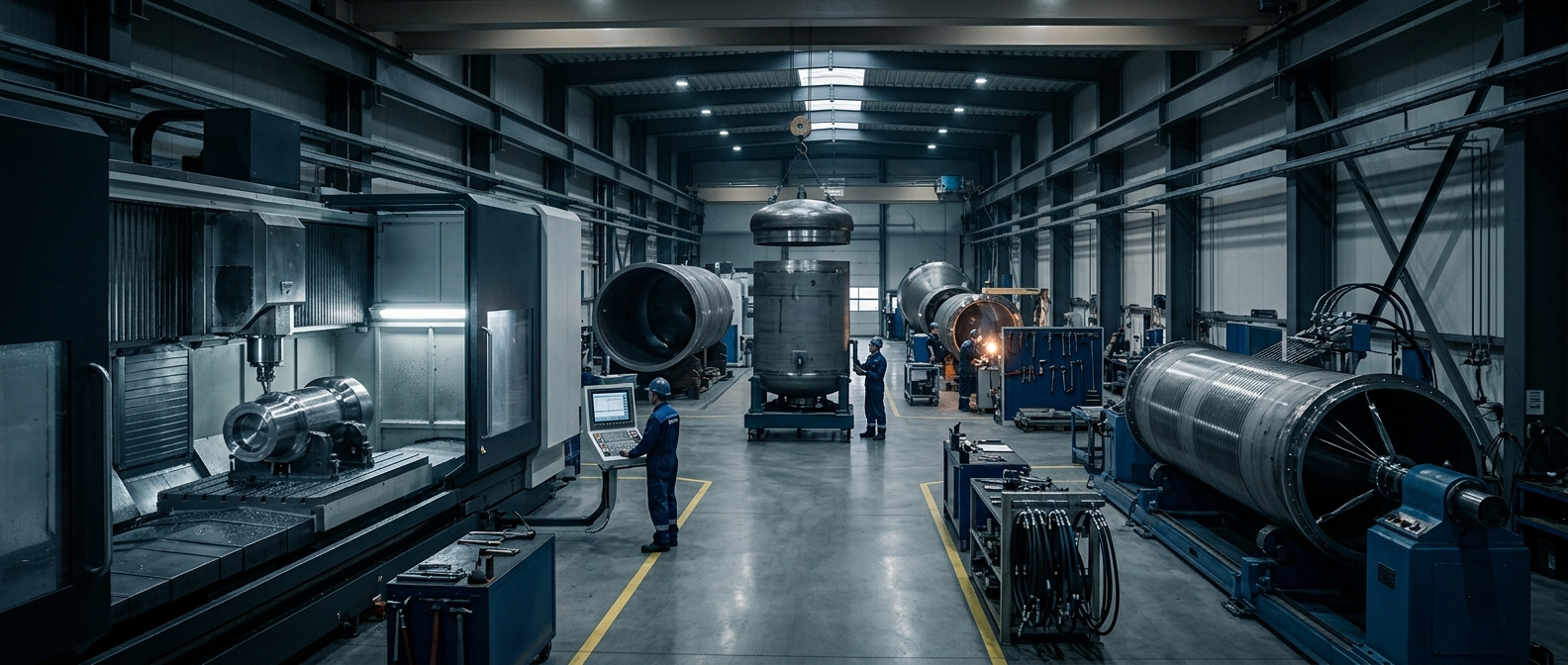
Production workshop panorama visual
Schematic/concept rendering
Manufacturing base exterior visual
Schematic/concept rendering
Aerospace AM

Aerospace AM Post-Processing of Structural Parts

Challenge
SLM titanium-alloy structural parts retain internal pores that can reduce fatigue life.
Process Approach
Combine HIP densification with a controlled rapid-cooling strategy to reduce separate heat-treatment steps.
Validation focus
Reduce porosity, move fatigue performance toward the forged-material benchmark, and retain traceable batch data.
Evidence Boundary
Published studies generally show that HIP can reduce internal porosity and improve fatigue performance in metal AM parts; the outcome depends on material, build parameters, heat-treatment route, and inspection method.
Medical implants

Controlled-Atmosphere HIP for Medical Implants

Challenge
Titanium implants need to balance densification, surface quality and atmospheric cleanliness.
Process Approach
Use a high-purity inert atmosphere, role-controlled recipes, and complete batch records.
Validation focus
Improve batch consistency and provide traceable process-curve evidence for quality review.
Evidence Boundary
Titanium alloy implants often require simultaneous control of density, surface condition, atmosphere cleanliness and batch traceability, and HIP is only part of the complete release path.

Powder metallurgy

Powder Metallurgy Capacity Expansion

Challenge
Long outsourced-HIP lead times constrain delivery of high-value powder-metallurgy components.
Process Approach
Install an in-house production HIP system with defined loading logistics and preventive-maintenance windows.
Validation focus
Reduce external processing delays and establish a controlled in-house critical process.
Evidence Boundary
A PM-HIP system should be specified from the part family, loading pattern, batch cycle, maintenance window, and acceptance requirements—not from maximum pressure and temperature alone.

These application notes do not use undisclosed customer names or unverified delivery data. Project outcomes must be confirmed for the actual material, process window, inspection plan, and customer acceptance criteria.

Home