
Materials & Components
Titanium alloys, nickel-based superalloys, aluminum-alloy castings, metal AM structures, and turbine components.
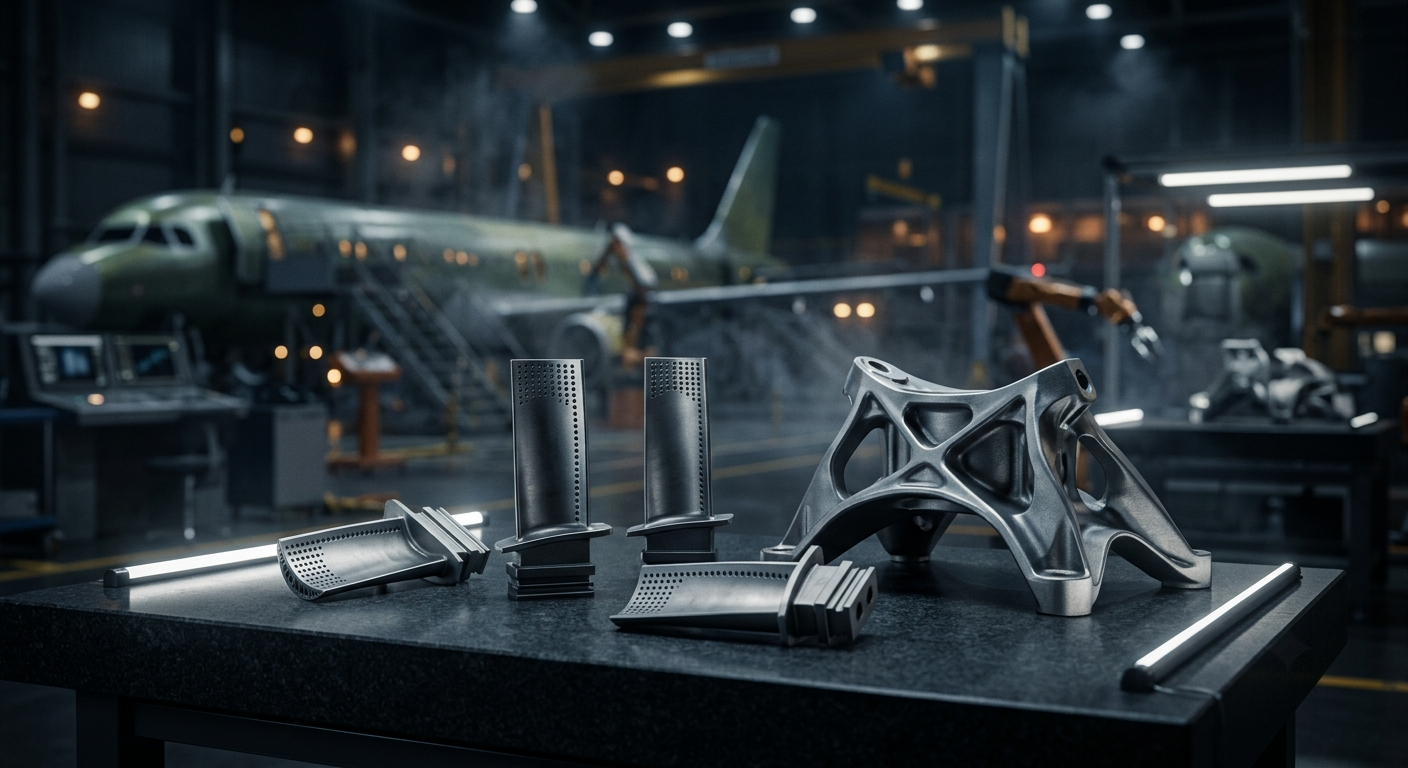
Aerospace HIP
Evaluate HIP suitability for aerospace structures, turbine components, and metal AM parts through material, defect, inspection, standards, and batch-data requirements.
Titanium alloys, nickel-based superalloys, aluminum-alloy castings, metal AM structures, and turbine components.
Pore closure, fatigue stability, temperature uniformity, batch curve, FAT/SAT and customer review data.
Evaluate AMS 2175, AMS 2185, ASTM F3301, AMS 2750 temperature-uniformity requirements, and the applicable pressure-vessel code for each project.
Evidence Chain
At the sample stage, define CT or metallographic inspection, process-curve retention, temperature-uniformity criteria, alarm-deviation reporting, and acceptance-document templates together.
CTA Ladder
Progress from technical review to process-window validation and a fully defined equipment RFQ.
Complete an internal review using standards, the glossary, and technical articles before submitting a full RFQ.
Explore ResourcesValidateShare the material, manufacturing route, defect type, part envelope, and performance targets so the pressure-temperature window and validation plan can be assessed.
View the Validation PathSpecifyOnce the usable zone, throughput, facility utilities, and quality-document requirements are defined, proceed to equipment selection and quotation.
Submit an Engineering RFQ